
Pain deep in the buttock is one of those symptoms with several very different causes, from a genuine muscle or tendon problem to pain referred from the lower back. Because the treatment for each is different, the most useful first step is working out which one you are dealing with.
The same muscle-versus-nerve question further down the leg is covered in PhysioHub's guide to thigh pain.
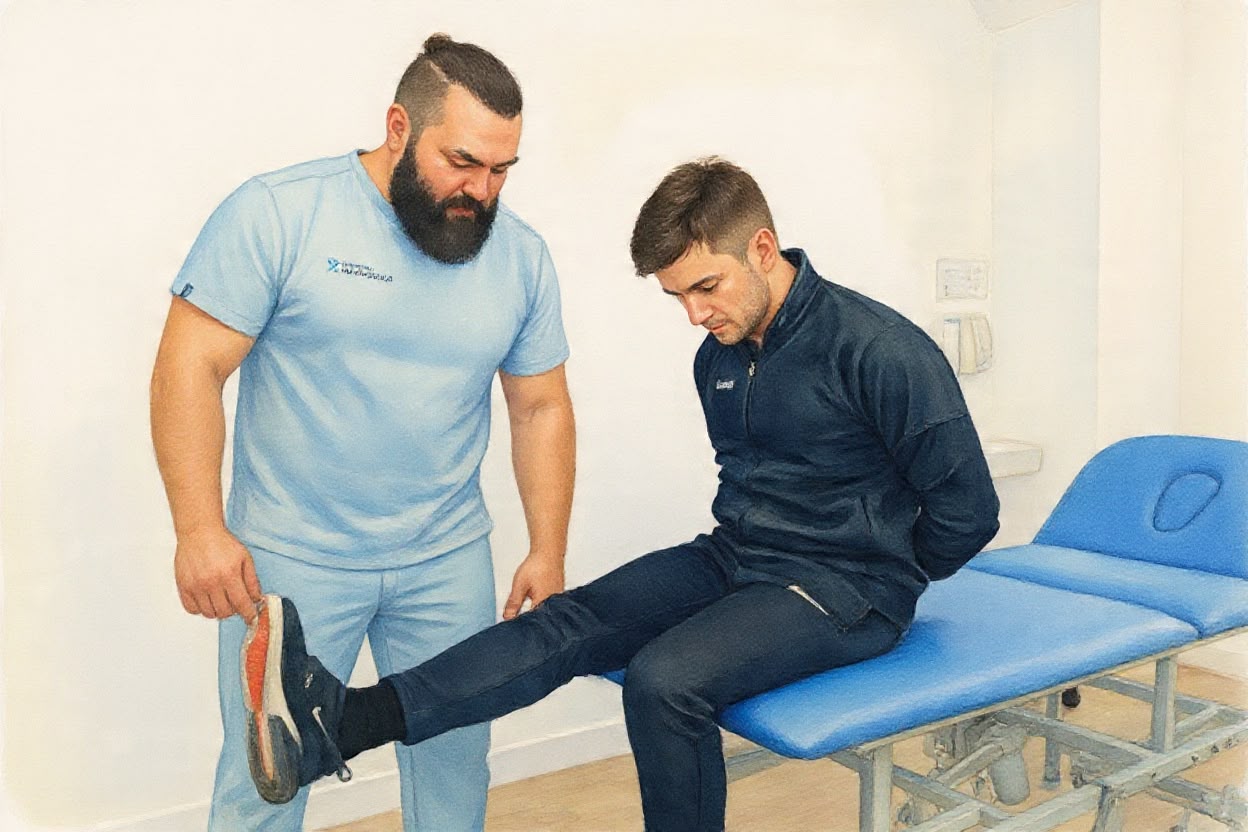
The distinction guides treatment. Pain that stays local to the buttock and is reproduced by loading or pressing the gluteal muscles points to a muscle or tendon cause. Pain that travels down the back of the thigh and lower, especially with pins and needles, numbness or weakness, suggests the nerve is involved, which usually traces back to the lower back. Our sciatica page explains that picture in detail.
Gluteal tendon and muscle problems respond well to progressive strengthening of the hip and buttock, with a temporary reduction in the positions that compress the tendon, such as sitting cross-legged or lying on that side. Nerve-related and back-referred pain needs the spine addressed. In both, graded loading and a return to normal activity beat prolonged rest. Once the pain has settled, our guide to the best glute exercises covers how to keep building that strength, including what to swap while the side of the hip is still sore. Pain that sits deeper in the hip joint and catches in the groin is a different problem again, and our guide to hip impingement and arthroscopy rehab covers that route.
Buttock pain arrives with a label already attached more often than almost anything else, and the label is nearly always sciatica. Alex built the assessment around testing rather than accepting it, because the two likeliest causes here call for opposite plans.
True sciatica is nerve pain originating in the lower back, typically travelling below the knee, often with pins and needles or numbness, and it responds to settling the nerve and the back. Gluteal tendinopathy and deep hip muscle problems sit locally in the buttock or on the outside of the hip, hurt to lie on, and respond to progressive loading. The distinction is worth getting right, because stretching and rolling, which is what most people have already done for months, tends to aggravate a gluteal tendon by compressing it further. A hip and lower back screen with a nerve check separates the two inside one session.
Our musculoskeletal pain and injuries service covers that assessment and the plan that comes out of it.
Is it safe to stretch a painful buttock?
Sometimes, but aggressive stretching of an irritated gluteal tendon can worsen it. Strengthening is usually the more reliable route, which is why the diagnosis matters.
Should I rest until it settles?
Keep moving within comfort. Prolonged sitting often aggravates buttock pain, and total rest tends to slow recovery.
PhysioHub – Empowerment through Evidence-Based Education.
Every body is different. Book a thorough assessment and get advice that is specific to you and your goals.
Book an Appointment