
Seven services, and honest advice about which one you actually need. Prices are below.
Every price is here, including the shockwave course rates. Home visits can be arranged on request.
Home visits are available on request for people who cannot travel to the clinic. If what you need sits outside what we offer, say so and we will point you towards the service that covers it.
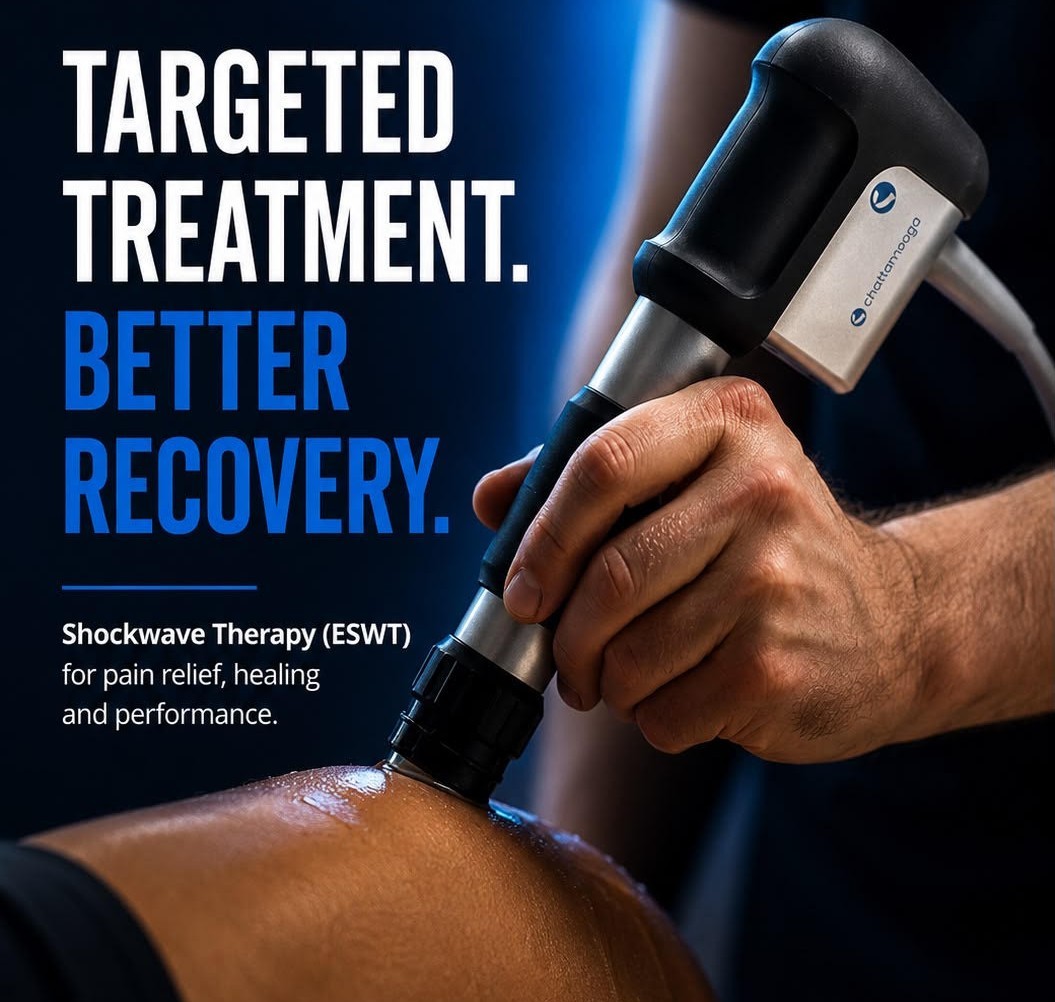
Extracorporeal shockwave therapy (ESWT) is an evidence-based treatment for stubborn tendon and heel pain that hasn't settled with rest, stretching, and other conservative measures.
We use it most often for longer-standing plantar fasciitis, Achilles tendinopathy, and tennis elbow. Focused acoustic pulses are delivered through a handheld probe, stimulating blood flow and the body's natural tissue-repair response in fascia and tendon that hasn't been healing well on its own.
NICE has reviewed shockwave therapy for plantar fasciitis and found the evidence adequate to support its use (IPG311). We combine a course of sessions with a tailored loading and rehab programme rather than using it as a stand-alone treatment, because the tendon still has to be loaded to change. Single-session and course rates are in the pricing above.
Read more about shockwave therapy
Book Shockwave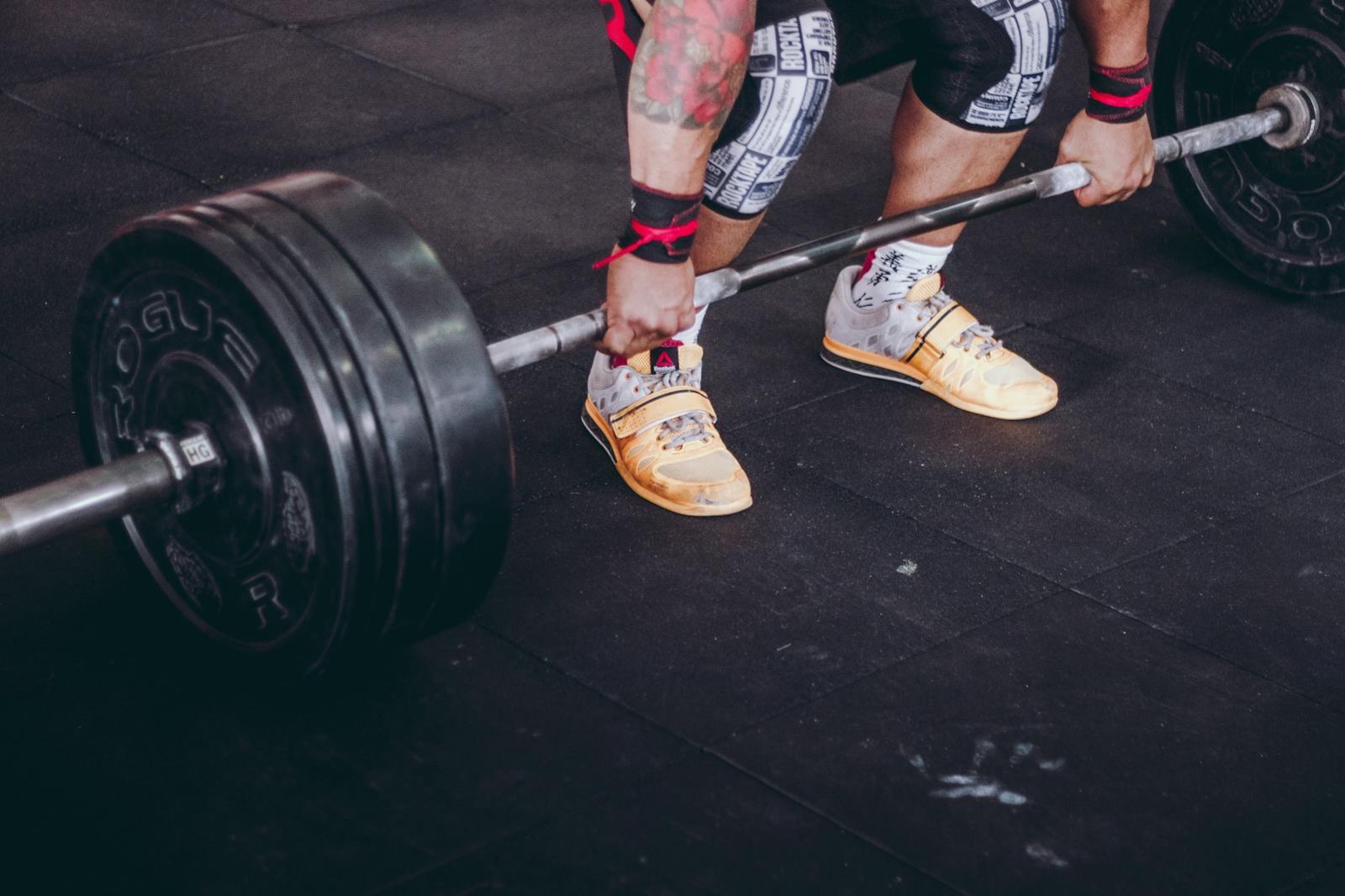
Most sports injuries seen here are load problems: a calf, hamstring or Achilles that was coping fine until training changed. Fixing one means treating the tissue and then dealing with the loading pattern that produced it.
Assessment starts with what you were doing in the weeks before symptoms appeared, then how the tissue behaves under test. That is what separates a strain needing three weeks of graded loading from a tendon needing three months, and it is why the timeline you get is a real one.
Rehab works backwards from what you want to return to, with return-to-sport criteria agreed at the start. The same strength work protects you afterwards: a 2014 meta-analysis in the British Journal of Sports Medicine found it roughly halved overuse injuries, far outperforming stretching.
Read more about sports injuries and performance
Book a Consultation
How strong you go into surgery shapes how quickly you come out of it. The work beforehand builds the strength and range you will be drawing on afterwards, and the work after follows the protocol your surgeon has set.
Before surgery: keep the quadriceps and glutes strong before a knee or hip replacement, keep the shoulder moving before a repair, and learn the day-one exercises while you are still comfortable. Reviews of prehabilitation before joint replacement report modest but real gains in early function and shorter hospital stays.
Afterwards, timing governs everything, because tissue healing and your surgeon's restrictions set what is allowed each week. We work to that protocol and pick up what a busy post-op pathway often leaves out: calf and hamstring strength after an ACL, scapular control after a shoulder repair, single-leg loading before anyone lets you run again.
Read more about pre and post-surgical rehabilitation
Book a Consultation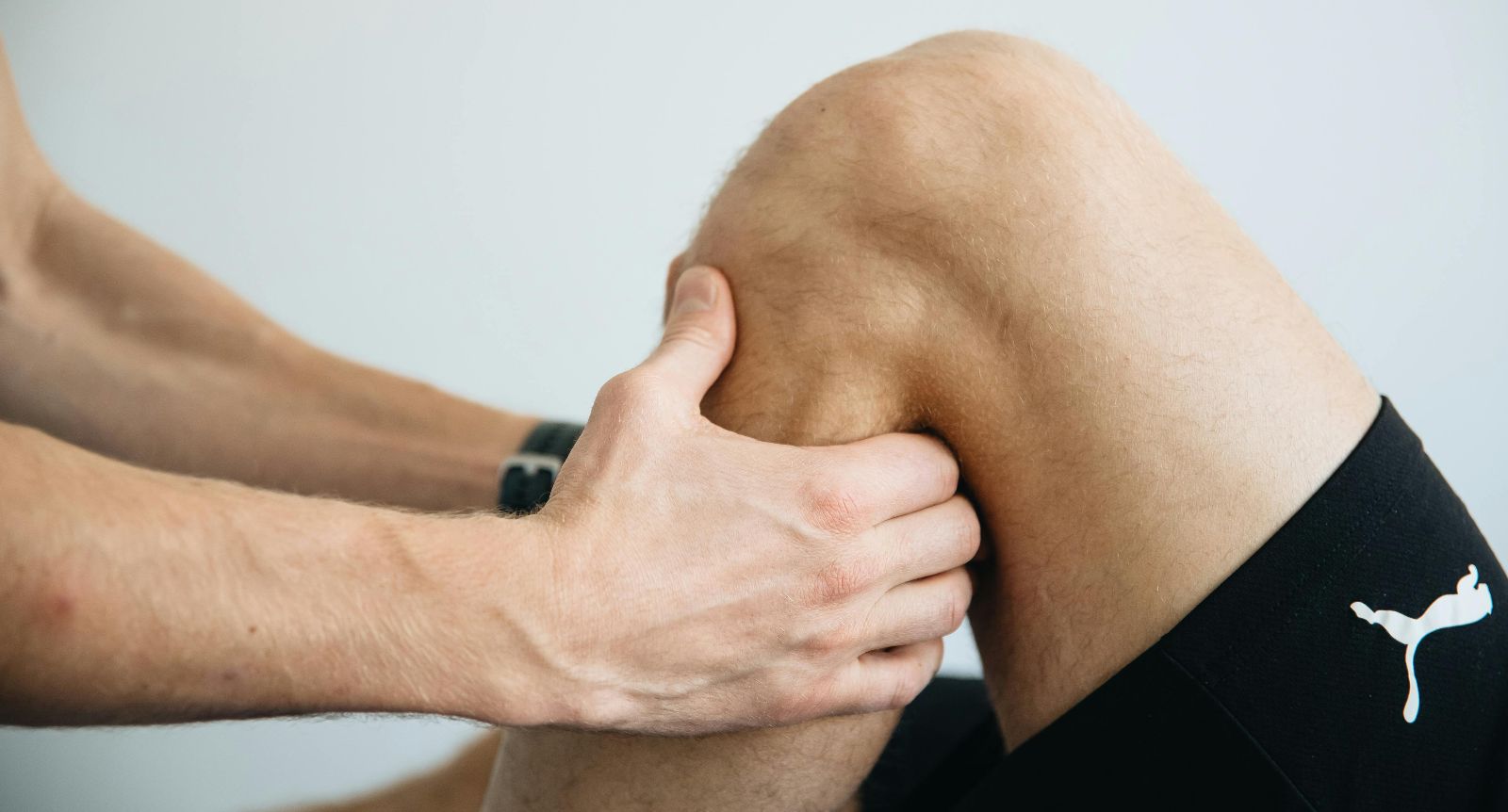
Back, neck, shoulder and knee pain make up most of what comes through the door. The first job is working out which structure is actually driving your symptoms, and that takes testing rather than a guess from where it hurts.
The assessment takes an hour: your history, how the problem behaves through the day, then hands-on testing to work out which structure is involved and what it currently tolerates.
Hands-on treatment settles symptoms; loading is what changes them. NICE recommends exercise as a core treatment for both low back pain (NG59) and osteoarthritis (NG226), so manual therapy is used here to make that loading possible rather than as the plan itself.
Read more about musculoskeletal pain & injuries
Book a Consultation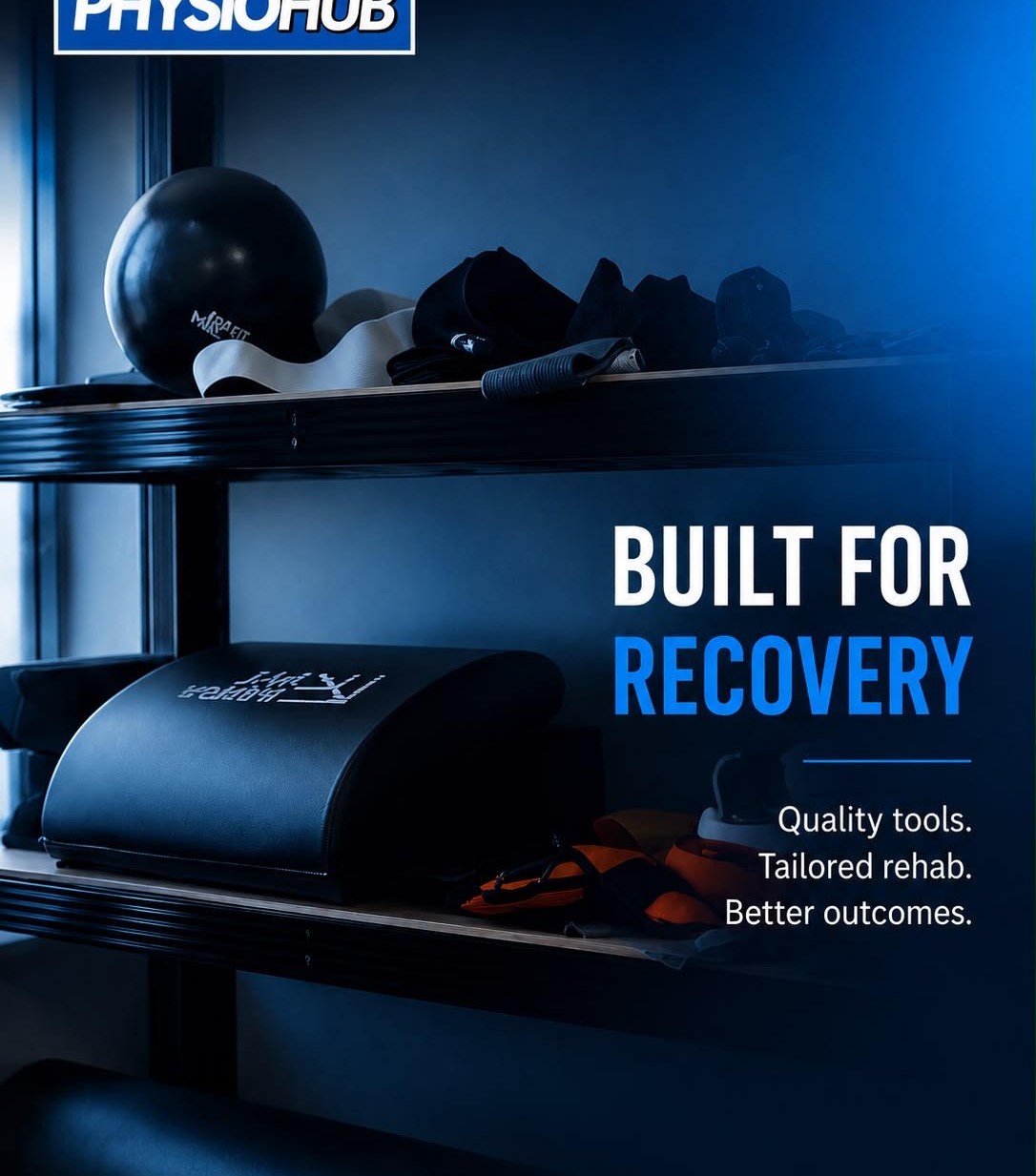
Our gym-based rehab sessions help you rebuild strength, improve mobility, and move with more confidence. These sessions are ideal if you're recovering from injury, managing ongoing muscle or joint pain, or need guidance exercising safely.
We focus on functional strength work, mobility training, and balance exercises to improve stability and reduce the risk of falls. Each session is tailored to your ability and goals, with clear coaching on technique and gradual progression. The aim is simple: reduce pain, restore function, and help you feel stronger in everyday life.
Read more about 1:1 rehab & strength training
Book a Consultation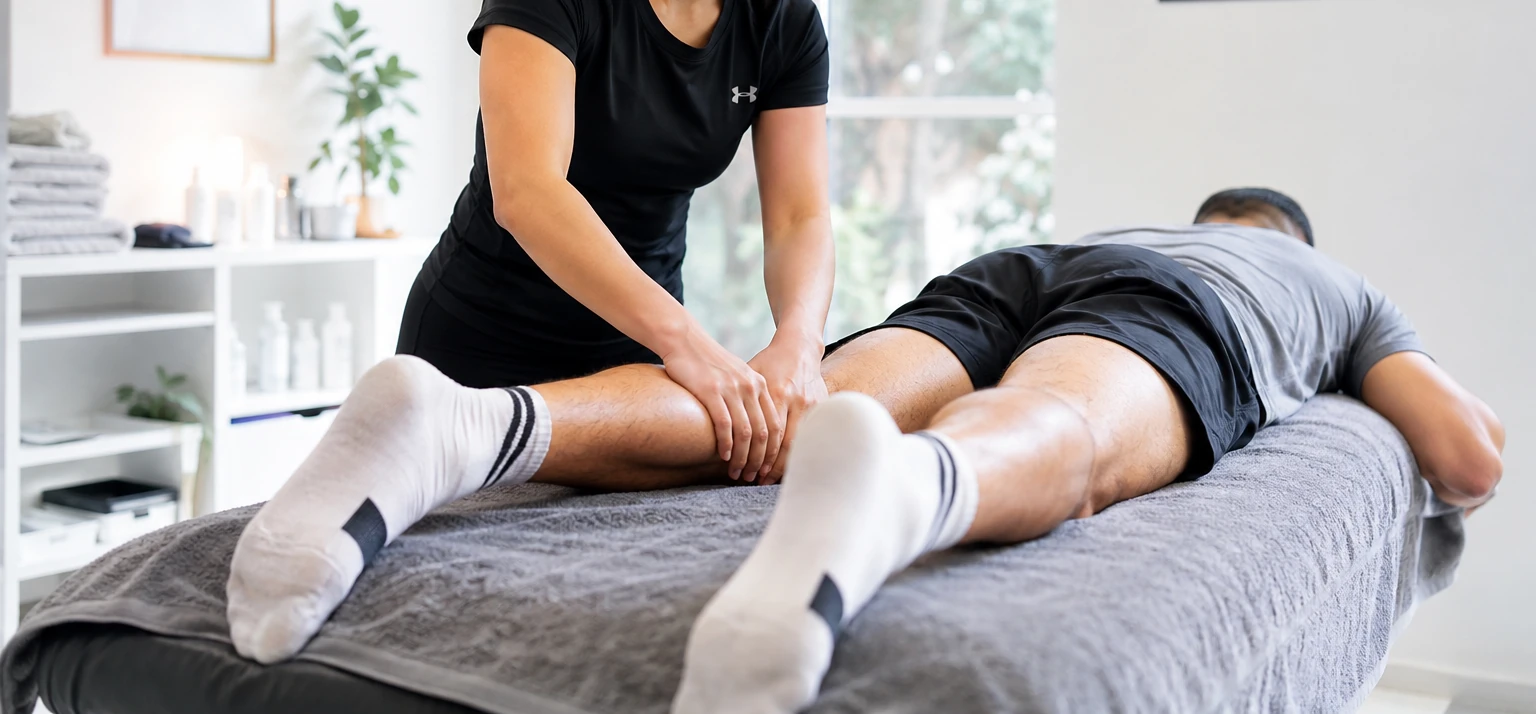
Focused soft tissue treatment for muscles that feel tight, heavy or sore, whether that comes from training or from a working week spent at a desk.
Sessions run 45 minutes and are delivered by a physiotherapist, so anything that looks like a genuine injury gets recognised and explained rather than massaged over.
Book Sports Massage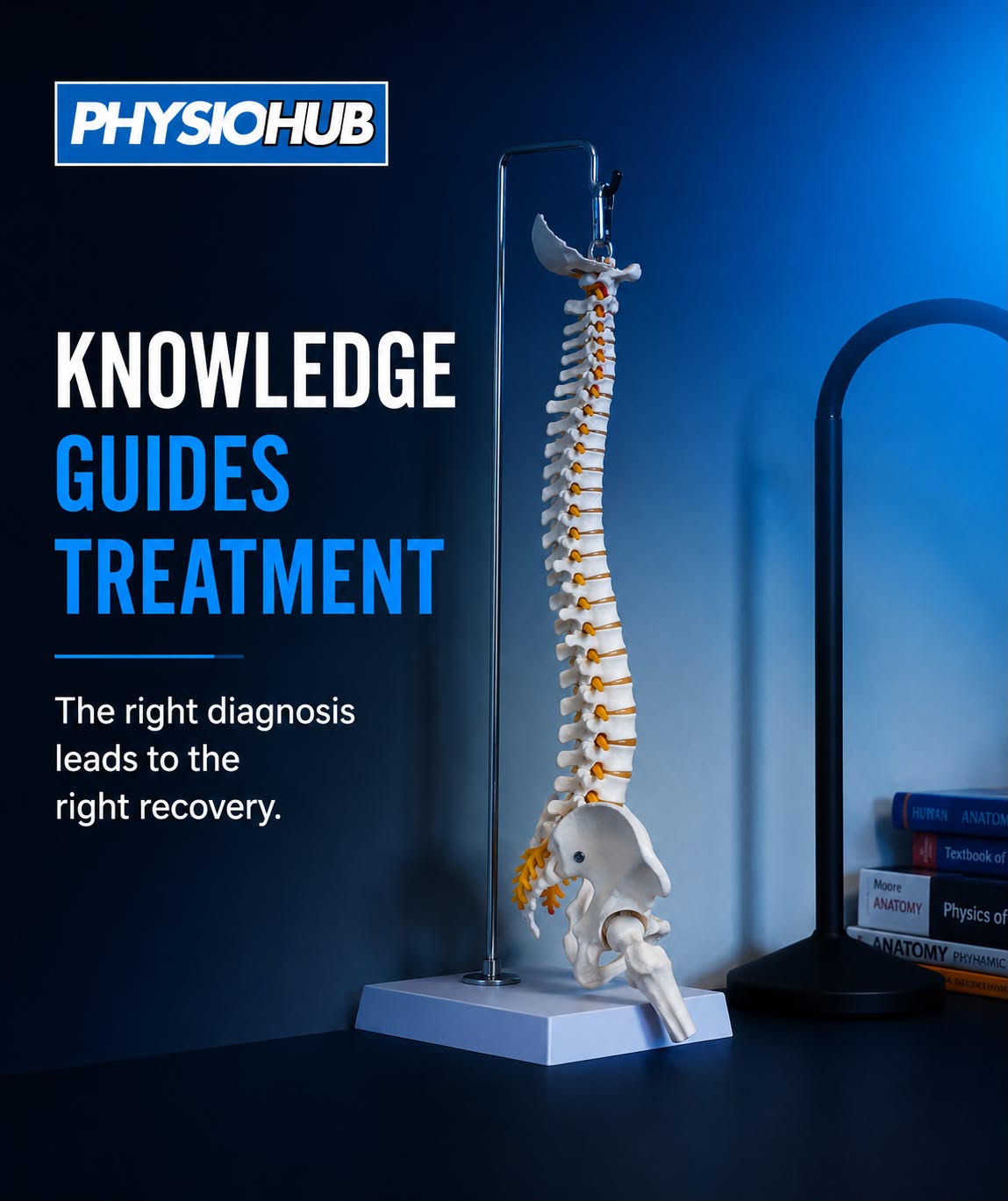
Rehabilitation after a stroke, or alongside MS, Parkinson's or a spinal cord injury, is built on repeating the task you want back. Walking improves by practising walking, at a difficulty high enough to count as work.
Sessions target the things that decide how independent daily life is: getting out of a low chair, turning in a doorway, managing the stairs, walking far enough to get round the shops. We find where the limit currently sits and train at the edge of it, because volume and difficulty of practice are what drive change in the nervous system.
Intensity is the part most often underdone. NICE (NG236) recommends at least three hours a day of multidisciplinary rehabilitation, on at least five days a week, for people who can take part, which is well beyond what most manage once they are home. Family and carers are shown exactly what to do between sessions.
Read more about neurological rehabilitation
For these services, please contact us directly by phone or email.
Contact UsYou can claim for your physiotherapy treatment through the following health insurance providers. Please check your level of cover with your insurer before booking, and contact us if you have any questions.


Ring or email and we will tell you honestly which one fits.
Book an Appointment