
Knee pain is one of the most common reasons runners stop running, and the frustrating part is that it usually builds gradually with no single injury to blame. In most cases it is a load problem: the training demand climbed faster than the knee could adapt, and the fix is rarely as simple as resting until it stops hurting.
Running pain that sits lower down the leg is usually a separate problem, explained in PhysioHub's guide to shin splints.
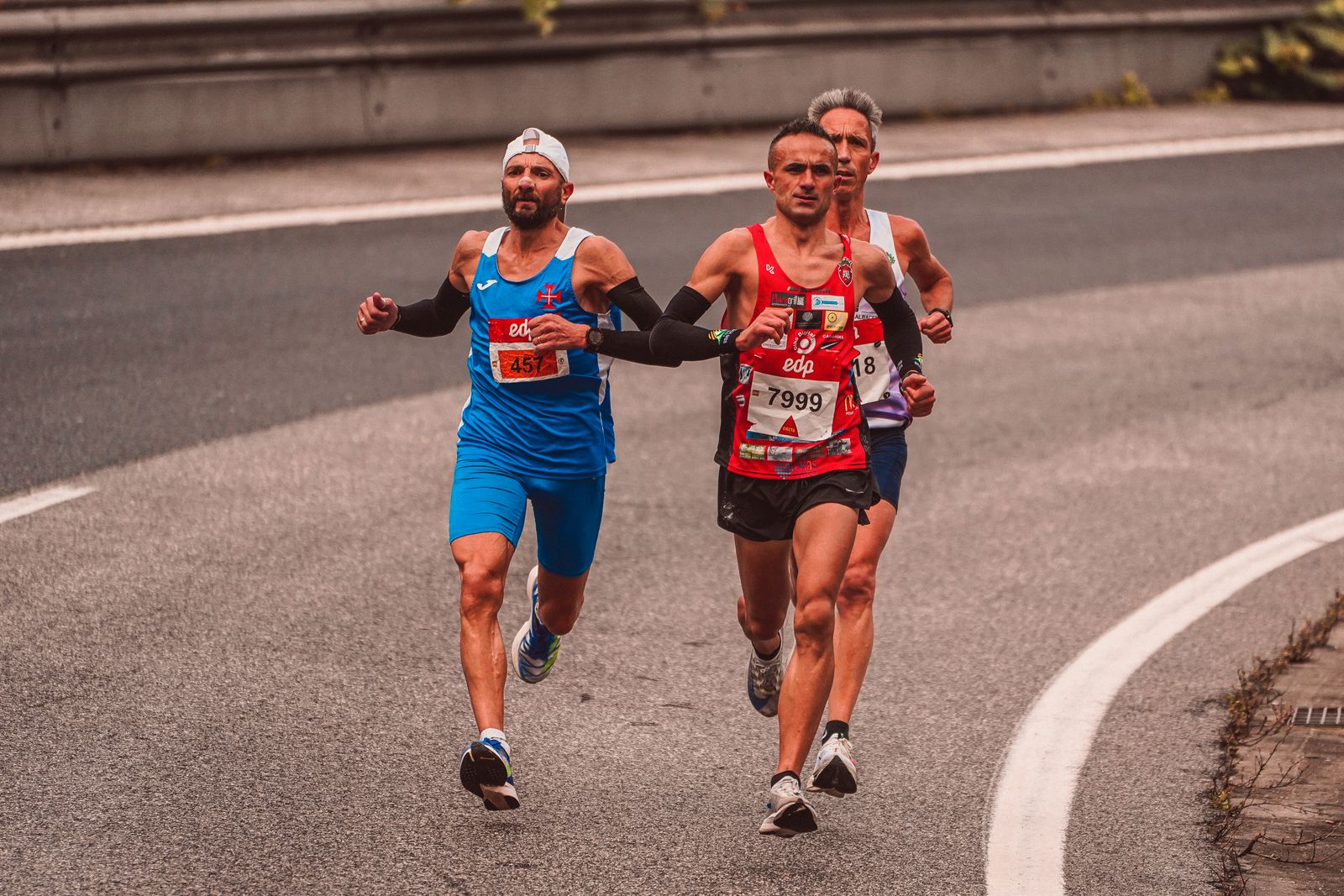
The NHS overview of knee pain covers the wider list, and our guide to knee pain treatment sets out how an assessment tells these three apart.
Most running knee pain traces back to training that outpaced adaptation: a sudden jump in mileage, more hills, faster sessions, or several of these at once. Weak hips and quads and low overall capacity make the knee less able to absorb running load. That is good news, because load and strength are things you can change.
The plan is to settle the irritation, strengthen the hips and quads that protect the knee, and rebuild running gradually, changing one variable at a time. Complete rest usually just delays the return and leaves the underlying weakness unaddressed. Our injury prevention exercises cover the strength work that keeps runners robust, and returning to sport after injury lays out the staged build back.
The NHS 10 Year Health Plan puts rehabilitation and expanded self-referral to musculoskeletal services near the centre of how care is meant to reach people, which is real progress for runners who have spent years going via a GP to get to a physio. The catch for anyone mid-block is that self-referral opens the door onto a queue, and a training plan pointed at an autumn race carries on regardless while you wait.
That matters because runner's knee is a load problem with a clock attached. The pain arrives during a build, settles with rest, then returns within two or three runs of restarting, which tells you the issue is what the tissue can currently tolerate rather than damage inside the joint. Stand at the start of Uckfield parkrun on a Saturday morning and you will find several people on their third round of that cycle. Breaking it means identifying the structure generating the pain, then rebuilding hip and quad capacity while the mileage climbs at a rate the knee can absorb.
Where the pain keeps returning within a few runs of every restart, our sports injury and performance service is built to find the structure behind it before the next block starts.
Should I stop running completely?
Usually not. Most runners can keep running at a reduced load while they strengthen, provided pain stays low and settles quickly afterward.
Are my running shoes the problem?
Rarely the whole story. Shoes play a minor role compared with training load and strength. Address those first.
PhysioHub – Empowerment through Evidence-Based Education.
Every body is different. Book a thorough assessment and get advice that is specific to you and your goals.
Book an Appointment