
Pain and tenderness on the inner side of the knee, an inch or two below the joint line, is often pes anserine irritation, where several tendons and a small fluid-filled sac sit together. It is a common and very treatable cause of inner knee pain, especially in runners and in people with knee joint wear.
Inner knee pain that flares specifically on stairs points somewhere slightly different, covered in PhysioHub's guide to knee pain going down stairs.
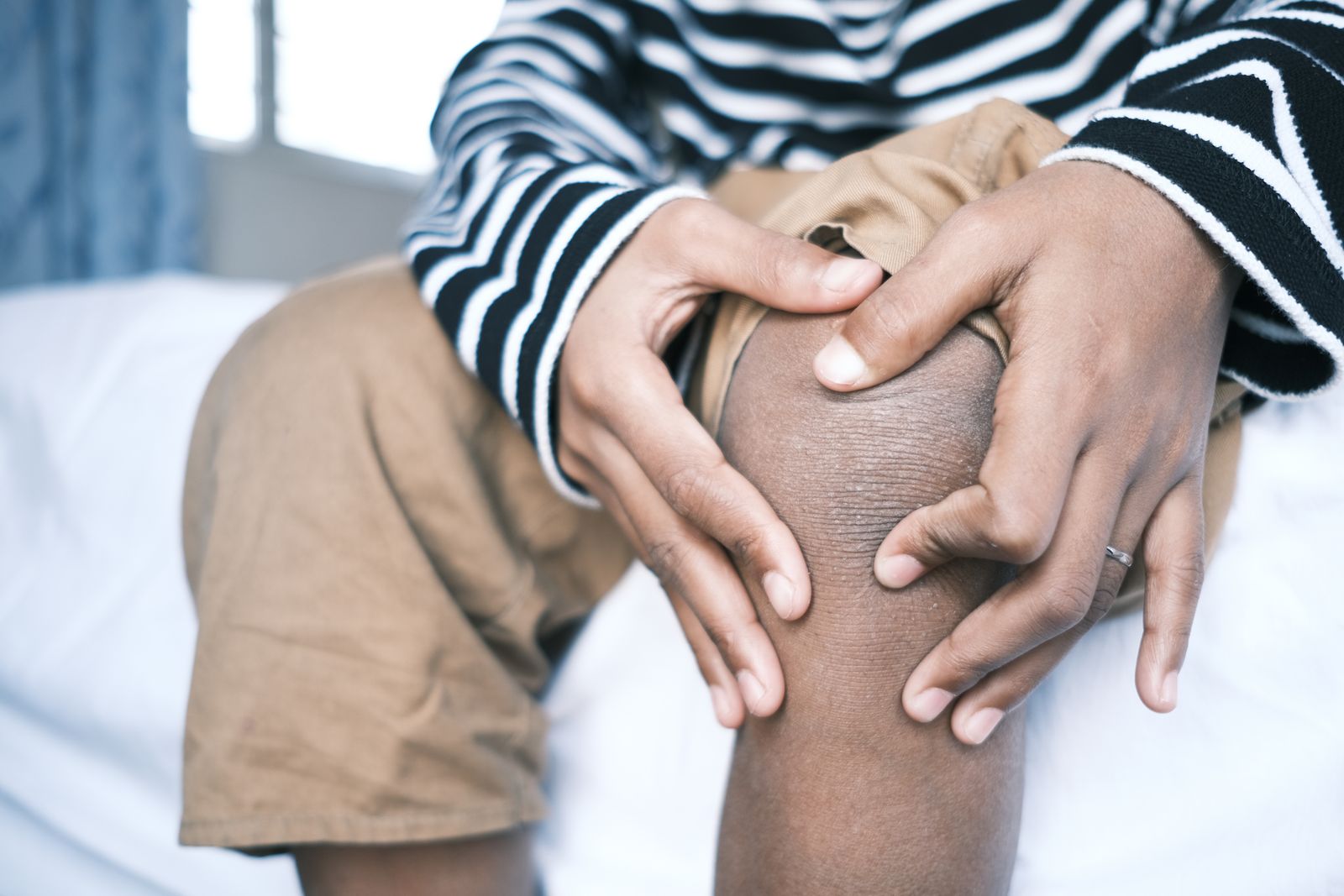
The pes anserine is where three tendons from the thigh attach to the inner shin, just below the knee, over a small cushioning bursa. Overload or friction here irritates the tendons or the bursa, giving a localised ache and tenderness on the inner knee that is worse going up and down stairs, rising from a chair, or at night. The NHS page on bursitis covers the inflamed-bursa side of this.
It typically shows up with a jump in activity, tight or weak thigh and hip muscles that change how load passes through the inner knee, or alongside osteoarthritis of the inner knee compartment. It is often mistaken for a joint or ligament problem, which is why the pinpoint location of the tenderness is such a useful clue.
The mainstay is settling the irritation, then progressively strengthening the thigh and hip so the inner knee is loaded better. A short-term reduction in the aggravating activities helps it calm down, and improving hip control takes the strain off the area over the longer term. Most cases respond well to a consistent loading programme. Our tendinopathy page explains the loading principles that apply here, and our guide to knee pain sets out how this inner-knee pattern is told apart from the joint and the meniscus.
Uckfield parkrun is run entirely on trail, and the Ashdown Forest paths are carrying more walkers than usual this summer with the Winnie-the-Pooh centenary trail drawing people onto ground they would not normally cover. Cambers, roots and long descents load the inside of the knee far harder than a pavement does, and inner-knee pain of this kind tends to surface two or three weeks into that sort of change rather than on the day itself.
It gets missed because it sits close to the joint line, so the label that arrives with it is usually a meniscal tear or arthritis. The giveaway is a pinpoint sore spot roughly two fingers below the joint on the inner shin, tender to press and reproduced on resisted testing, while the joint itself tests clean. Getting that distinction right changes the entire plan, because this one settles with hip and thigh loading while a joint problem is managed a different way.
Our musculoskeletal pain and injuries service confirms which of the two you are dealing with before any loading plan is written.
Is pes anserine pain serious?
No, it is a benign overload problem, though it can be persistent if the underlying strength and loading issues are not addressed.
Do I need a scan?
Usually not. It is diagnosed clinically from the location and behaviour of the pain. Imaging is reserved for unclear cases or when other causes need ruling out.
PhysioHub – Empowerment through Evidence-Based Education.
Every body is different. Book a thorough assessment and get advice that is specific to you and your goals.
Book an Appointment