
Fibromyalgia is widespread pain lasting more than three months, with fatigue, unrefreshing sleep and difficulty concentrating. It is caused by changes in how the nervous system processes pain signals rather than by damage in the painful tissues, which is why scans and blood tests come back normal. Exercise carries the highest level of recommendation in the EULAR guidance, and aerobic exercise has Cochrane support for quality of life, pain, fatigue and stiffness. The starting dose is what decides whether it helps or triggers a flare.
Sleep is not a side issue in fibromyalgia, and the two-way relationship between pain and rest is covered in PhysioHub’s guide to pain, stress and sleep.
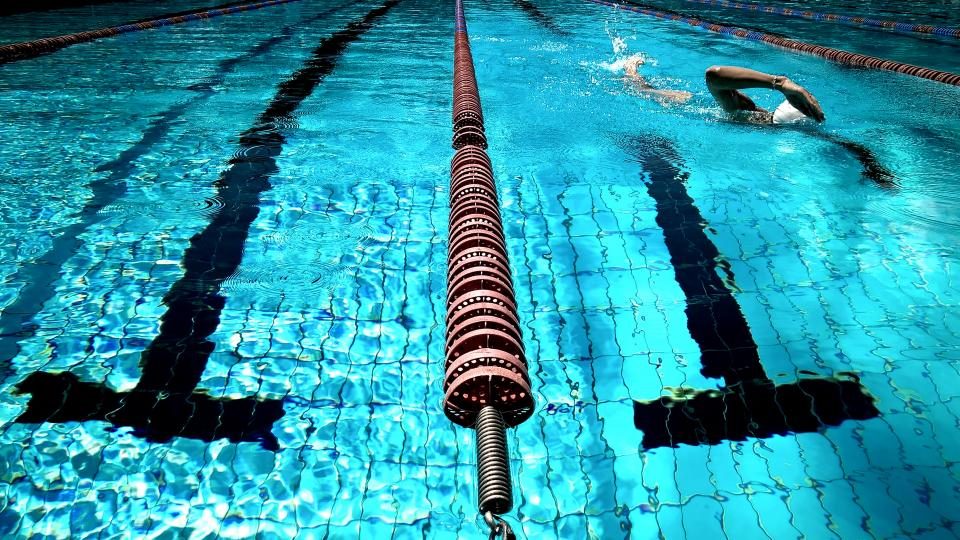
Ranked by the strength of the evidence, with the starting dose that matters more than the choice.
| Approach | Strength of evidence | Sensible starting dose | Main benefit |
|---|---|---|---|
| 1. Low-intensity aerobic | Moderate quality for quality of life | 5 to 10 minutes, most days | Quality of life, pain, fatigue, stiffness |
| 2. Resistance training | Supportive, smaller trials | Very light, twice weekly | Strength, function, confidence in movement |
| 3. Aquatic exercise | Supportive | 20 to 30 minutes, twice weekly | Easier entry when land exercise flares things |
| 4. Mind-body movement | Supportive, harder to blind | Weekly class plus short home practice | Sleep, stress, gentle movement |
| 5. Pacing | Consistent in guidance | Applies from day one | Makes the four above sustainable |
The dose column carries more weight than the ranking. Almost any of these works when it starts low enough and increases slowly enough, and almost any of them causes a flare when started at what would be a reasonable level for someone without fibromyalgia.
This is a documentary review of published guidance and trial evidence rather than a programme prescribed for you. Five approaches were kept from a wider list, ranked on the quality and consistency of the trial evidence supporting each.
The sources read were the Cochrane review of aerobic exercise for adults with fibromyalgia, which found moderate-quality evidence for improved health-related quality of life and low-quality evidence for reduced pain, fatigue and stiffness; the EULAR revised recommendations for the management of fibromyalgia, which assign exercise the highest level of recommendation of any intervention; and a 2023 systematic review with meta-analysis on optimal exercise dose and type. Evidence checked in August 2026.
Three honest limits. Exercise trials in fibromyalgia cannot be blinded, so expectation effects are unavoidable. Dropout rates in these trials are high, which almost certainly reflects the real difficulty of starting. And the evidence supports exercise as an approach without establishing that any one type is clearly superior, which is why the starting dose is emphasised here more than the choice between them.
Pain that is widespread and moves. Not one joint but both sides, above and below the waist, and often a different area on different days, described as aching, burning or as though bruised all over.
Fatigue that sleep does not fix. People commonly wake as tired as they went to bed, which is the feature that distinguishes this most sharply from ordinary tiredness.
Stiffness in the morning, without swollen joints. This is where it gets confused with inflammatory arthritis, and the difference is that the joints look and test normal.
Difficulty with memory and concentration, often called fibro fog, which people frequently find more disabling than the pain and rarely mention because it sounds unrelated.
Heightened sensitivity generally, to touch, noise, light, temperature and stress, because the change is in how signals are processed rather than in what is being signalled.
Symptoms that fluctuate substantially, with the boom-and-bust cycle particularly pronounced: a good day gets used fully, and the following three days are lost.
What it is
Continuous rhythmic activity at an intensity you could hold a conversation through: walking, cycling on the flat, or an exercise bike at low resistance.
Who it suits
Everyone with fibromyalgia, and it is the approach with the most direct evidence behind it.
What it involves
Start far lower than seems worthwhile. Five to ten minutes, most days, at an easy intensity. Increase by around 10% a week, and only when the current level has been comfortable for a full week. Consistency across the week matters more than the length of any single session.
What the evidence supports
The Cochrane review found moderate-quality evidence that aerobic exercise improves health-related quality of life, and low-quality evidence that it reduces pain, fatigue and stiffness and improves physical function. Moderate quality is a meaningful finding in a condition where most interventions manage less.
Limits and cautions
Expect a temporary increase in symptoms in the first two to three weeks. That is normal and it is not damage. What is not acceptable is a flare lasting several days, which means the starting level was too high.
Why it ranks first
It has the best evidence, it needs no equipment or class, and it can start at a level almost anyone can manage on a bad week.
What it is
Strengthening work using bands, light weights or body weight, progressed gradually over months.
Who it suits
Anyone who has lost strength through years of reduced activity, which is most people with long-standing fibromyalgia.
What it involves
Two sessions a week, starting with loads that feel almost too easy, one or two sets of eight to twelve repetitions for the main movements. Progress by small increments and only after a comfortable week. This is a six-month project rather than a six-week one.
What the evidence supports
Resistance training is one of the two most-used exercise modalities in fibromyalgia trials alongside aerobic work, and it improves strength and function. The trials are smaller and fewer than the aerobic literature, which is why it sits second.
Limits and cautions
The usual gym advice to push to failure is exactly wrong here and reliably provokes a flare. Leave several repetitions in reserve at every session, indefinitely.
Why it ranks second
It addresses the deconditioning that follows years of avoiding activity, and its evidence base is thinner than the aerobic one.
What it is
Exercise in warm water, whether swimming, walking in the pool or a structured aquatic class.
Who it suits
People who flare with land-based exercise, people with painful weight-bearing joints alongside the fibromyalgia, and anyone who finds warmth eases their symptoms.
What it involves
Twenty to thirty minutes twice a week in a warm pool. Buoyancy reduces load, the warmth is comfortable, and the resistance of the water provides gentle strengthening at the same time.
What the evidence supports
Aquatic exercise is supported in the fibromyalgia literature and performs comparably to land-based exercise. Whether the warmth adds something beyond the exercise itself has not been cleanly separated, and the practical point is that people who cannot start on land can often start in water.
Limits and cautions
Cold pools are counterproductive for many people with fibromyalgia. Access, cost and travel are real barriers, and this is the least convenient option on the list.
Why it ranks third
Its evidence is comparable to the two above and its practical accessibility is lower, which places it here rather than higher.
What it is
Slow, controlled movement practices combining gentle physical activity with attention to breathing and body position.
Who it suits
People for whom stress, sleep and tension are prominent parts of the picture, and anyone who finds conventional exercise unappealing enough that they will not do it.
What it involves
A weekly class plus short home practice, adapted to your current capacity. Seated versions exist and are a genuine option on bad weeks rather than a token one.
What the evidence supports
Tai chi in particular has performed well in fibromyalgia trials, including against aerobic exercise. These interventions combine movement, breathing, attention and group contact, and trials cannot separate which component is doing the work.
Limits and cautions
Class quality and instructor experience vary widely, and a fast-paced yoga class is a poor fit. Ask specifically whether the instructor has worked with persistent pain conditions.
Why it ranks fourth
The evidence is genuinely supportive and harder to interpret than for the approaches above, because the interventions bundle several active ingredients together.
What it is
Distributing activity so that capacity is not exceeded in a single burst, and progressing by the calendar rather than by how good a given day feels.
Who it suits
Everyone. It is listed last because it is not an exercise, and it determines whether any of the four above survive past a month.
What it involves
Setting a level you can sustain on an average day rather than a good one, and holding it. Doing the same amount on a good day as on a bad one, which is far harder than it sounds. Increasing by small fixed increments on a schedule, rather than by feel.
What the evidence supports
The boom-and-bust pattern is the most consistently described self-perpetuating cycle in fibromyalgia. Activity on good days produces a flare, the flare produces rest, rest reduces capacity, and the next good day starts from a lower baseline. Fixed-quota progression breaks that loop.
Limits and cautions
Pacing becomes avoidance if the quota never increases. The aim is to raise the ceiling steadily rather than to stay safely under it forever.
Why it ranks fifth
On its own it improves nothing, and without it the four approaches above are typically abandoned within four weeks.
| Approach | Evidence quality | Equipment or venue | Cost | Can start on a bad week |
|---|---|---|---|---|
| Low-intensity aerobic | Moderate for quality of life | None | None | Yes |
| Resistance training | Supportive, smaller trials | Bands or light weights | Low | Reduced version |
| Aquatic exercise | Supportive | Warm pool | Pool entry, not verified here | Often yes |
| Mind-body movement | Supportive, hard to isolate | Class, ideally | Class fees, not verified here | Seated version |
| Pacing | Consistent in guidance | None | None | Yes, this is when it matters most |
No option here is clearly superior to the others in the trials. What separates success from failure is the starting level and the rate of increase, which is why the last column matters more than the first.
If you have just been diagnosed and want one thing to start, walk for five minutes a day, every day, for two weeks before increasing anything. Starting lower than feels worthwhile is the single most reliable predictor of getting somewhere.
If every attempt at exercise has ended in a flare, the starting level was too high rather than the exercise being wrong. Halve it, then halve it again.
If land-based exercise consistently flares you, a warm pool is the most likely place to find a starting point you can tolerate.
If sleep is the worst part, address it directly alongside the exercise, because unrefreshing sleep and pain sensitivity feed each other and exercise alone rarely breaks that loop.
If you have a good day and want to catch up on everything, this is the specific moment that determines the following week. Do your usual amount.
If a new symptom appears that is different from your usual pattern, get it assessed on its own terms. A fibromyalgia diagnosis does not stop anything else from happening, and a genuinely swollen joint is not fibromyalgia.
What has changed in clinic is the point at which people arrive. Fibromyalgia used to be a diagnosis people reached after years of tests, arriving exhausted by the process and convinced that something had been missed. More often now people come with the diagnosis already made and a specific question attached: they have been told exercise is the main treatment, they have tried it three times, and each attempt made them worse for a week.
That is a dosing problem rather than a diagnosis problem, and it is the most fixable thing in the whole condition. The level that works as a starting point is routinely a tenth of what people assume, and the increase that works is smaller and slower than any general programme suggests. Sticking at five minutes for a fortnight feels like doing nothing, and it is the difference between a programme that is still running in six months and the fourth failed attempt.
Where you are not yet sure whether physiotherapy is the right route for you at all, a free discovery and triage call is a sensible way to find out before committing to anything.
What does fibromyalgia feel like?
Widespread aching or burning pain on both sides of the body, above and below the waist, lasting more than three months, along with fatigue that sleep does not relieve, morning stiffness without swollen joints, difficulty with memory and concentration, and heightened sensitivity to touch, noise, light and temperature. Symptoms fluctuate substantially from day to day.
Does exercise help fibromyalgia?
Yes, and it carries the highest level of recommendation in the EULAR guidance for fibromyalgia management. A Cochrane review found moderate-quality evidence that aerobic exercise improves health-related quality of life, and low-quality evidence for reduced pain, fatigue and stiffness. The starting dose determines whether it helps or provokes a flare.
What is the best exercise for fibromyalgia?
Low-intensity aerobic exercise has the strongest evidence, but no single type is clearly superior in the trials. What matters far more is starting at a level low enough to be sustainable, often five to ten minutes, and increasing by around 10% only after a comfortable week.
Why does exercise make my fibromyalgia worse?
Almost always because the starting level was too high. A temporary increase in symptoms over the first two to three weeks is expected and is not damage. A flare lasting several days means the dose exceeded current capacity, and the answer is to reduce the starting level rather than to abandon exercise.
Is fibromyalgia a real condition?
Yes. It is a recognised condition involving measurable changes in how the central nervous system processes pain signals, sometimes described as central sensitisation. Scans and blood tests are normal because the change is in signal processing rather than in the tissues being reported on, and normal tests are a feature of the condition rather than evidence against it.
Can you have fibromyalgia and arthritis together?
Yes, and it is common. Fibromyalgia frequently coexists with rheumatoid arthritis, osteoarthritis and axial spondyloarthritis. That is why a new swollen joint in someone with fibromyalgia still warrants assessment rather than being attributed to the existing diagnosis.
How long before exercise helps fibromyalgia?
Expect symptoms to be slightly worse for two to three weeks, then gradual improvement over two to three months. Judging it before eight weeks is too early. Progress is measured in what you can do across a week rather than in how any single day felt.
PhysioHub – Empowerment through Evidence-Based Education.
Every body is different. Book a thorough assessment and get advice that is specific to you and your goals.
Book an Appointment