
Most elbow pain is a tendon that has been loaded faster than it could adapt. It responds well to graded loading, and slowly to rest.
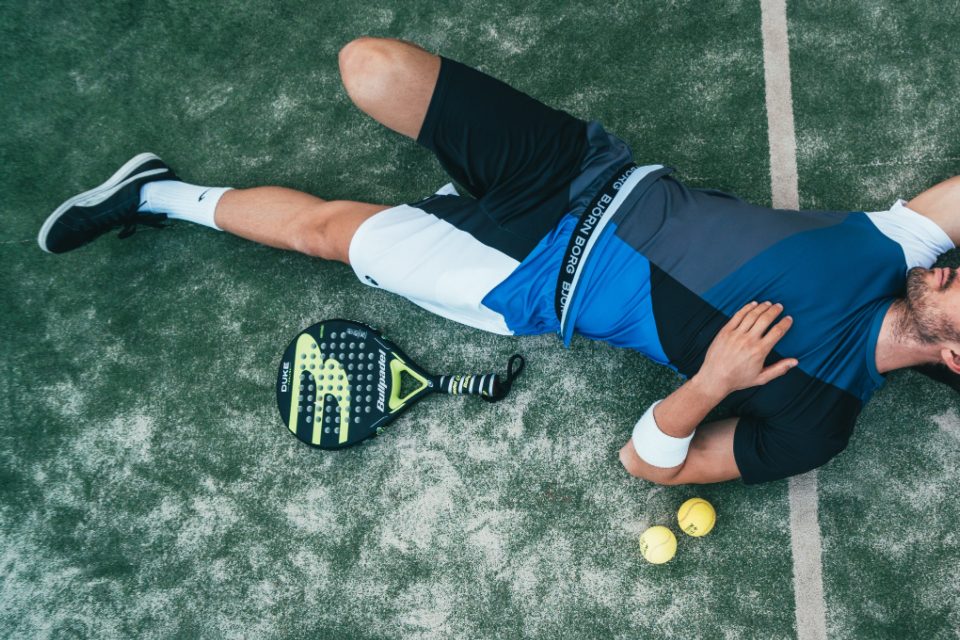
Pain on the outside of the elbow is lateral epicondylalgia, still widely called tennis elbow, and it involves the common extensor tendon running into the forearm. Pain on the inside is golfer’s elbow, involving the flexor tendon. Both are load problems far more often than racket problems, and most people who get them have never played either sport.
Grip is the common thread. Anything involving repeated gripping, from decorating to lifting a toddler to a new gym programme, can tip a tendon past what it tolerates.
Common symptoms:
Progressive loading of the affected tendon is the treatment with the strongest evidence behind it, and it works over months rather than weeks. We set the starting load so it is tolerable, then build grip and forearm strength systematically.
Where pain has persisted beyond six months despite genuine loading, shockwave therapy can be added alongside the programme. NICE lists extracorporeal shockwave therapy as an option for refractory tennis elbow, with the caveat that the evidence on efficacy is inconsistent. Where the tendon has not settled after several months of loading, shockwave therapy for tennis elbow can be added to the plan.
Tendons at the elbow adapt slowly and reliably. Here is the route through.
We confirm which tendon is involved, test grip strength, and screen the neck and the radial nerve, since both can mimic tennis elbow closely.
We identify the gripping tasks driving it, adjust technique or equipment where that is practical, and start isometric loading to reduce sensitivity.
Graded strengthening of the wrist extensors or flexors and the whole arm rebuilds the tendon’s capacity. This is the part that changes the outcome.
We build back towards the demands you actually have, whether that is racket sport, lifting or a trade, and set out how to keep it from recurring.
Not sure whether your elbow pain is a tendon, a nerve or coming from your neck? Book a free discovery call and we will talk through your symptoms.
Book a Free Discovery CallTendon pain at the elbow typically improves over three to six months with consistent loading. It often settles eventually without treatment too, though considerably more slowly and with more recurrences along the way.
A counterforce brace helps some people manage painful tasks in the short term. It supports the loading programme rather than replacing it.
They give good short-term relief, but trials consistently show worse outcomes at 12 months than exercise or a wait-and-see approach, so we rarely lead with them.
Neck referral, radial nerve irritation and, rarely, joint problems can all produce lateral elbow pain. Grip testing, palpation and neck screening usually separate them within one session.
Usually yes, with grip and load adjusted. Complete avoidance tends to leave the tendon less tolerant when you return to it.
It is worth considering for pain that has persisted beyond six months despite a proper loading programme. The evidence is mixed, so we use it alongside loading rather than instead of it.
Book a thorough assessment in Uckfield and we will confirm what is going on and start you on a loading plan that works.
Book an Assessment