
Your feet absorb your full body weight thousands of times a day, so when one starts to hurt it quickly affects everything else. "Foot pain" is one of the most searched symptoms, yet it is not a single problem: the causes range from the heel to the arch to the toes, and the right treatment depends entirely on which structure is actually irritated.
Heel pain that has stayed put for months has its own treatment path, reviewed in PhysioHub's article on shockwave therapy for plantar fasciitis.
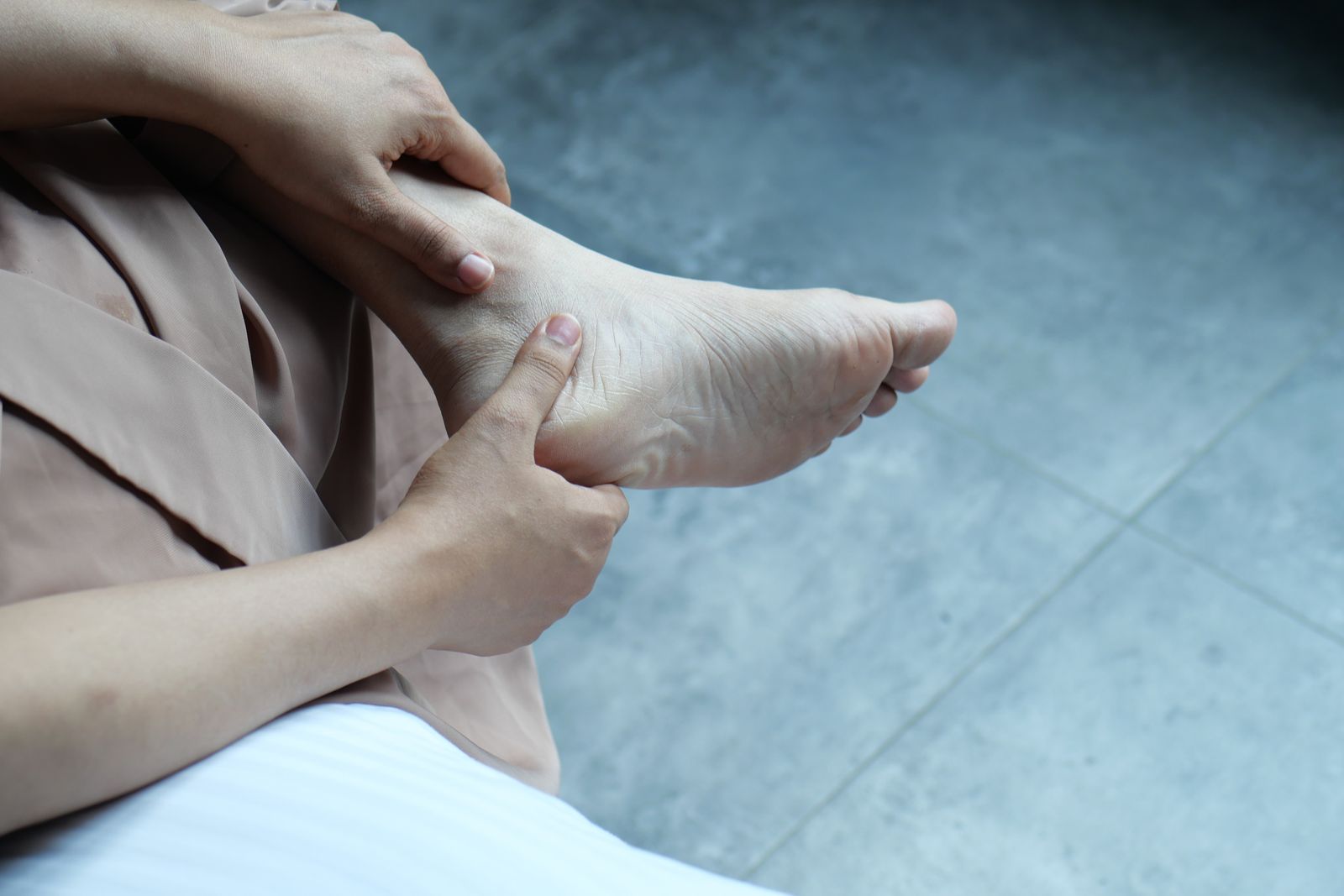
The single most useful clue is location. Pain under the heel that is sharpest for the first few steps in the morning points strongly toward plantar fasciitis. Pain across the ball of the foot suggests the forefoot joints or a nerve. Aching along the arch often relates to the tendons that support it, and pain over the top of the foot can be a joint irritation or, in a runner, an early bone stress reaction.
Because the foot packs 26 bones and dozens of tendons and ligaments into a small space, a careful hands-on assessment usually pinpoints the source far better than symptoms alone. The NHS overview of foot pain is a good plain-language starting point.
Footwear, a sudden jump in activity, and how you load the foot feed into most of these.
For most foot pain the evidence favours graded loading over prolonged rest. Our foot exercises and stretches are a sensible starting routine for the arch, heel and toes. That means calming the irritated tissue, then gradually rebuilding its capacity with targeted calf, foot and ankle strengthening so it tolerates the demands you want to place on it. A temporary footwear change or a simple insole can offload a sore area while it settles. For stubborn heel pain that has not responded to months of loading work, shockwave therapy for plantar fasciitis is one option worth understanding.
The assumption most foot pain arrives with is that the answer is the right pair of shoes. At PhysioHub in Uckfield that theory has usually been tested to destruction before anyone books: three pairs of trainers, two sets of insoles, and a frozen bottle that helps for about an hour each morning.
Footwear changes how load is distributed through the foot, which is genuinely useful, and it does nothing about how much load the foot can tolerate. That second variable decides most of these cases. Heel pain that is worst on the first steps of the day, forefoot pain that arrives with a jump in mileage, and midfoot ache after long walks are different tissues with different tolerances, and each responds to being loaded progressively rather than only rested and stretched. Working out which structure is actually irritated, and screening for the few presentations that need onward referral, takes hands-on testing rather than another shoe change.
Our plantar fasciitis page covers the loading approach for the most common version of this.
Should I rest completely until it stops hurting?
Rarely. Most foot pain settles faster with the right graded loading than with total rest, which can leave the tissue underprepared for your return to activity.
When should I get foot pain checked urgently?
Seek prompt advice if you cannot bear weight, the foot is hot, swollen and red, or a deep bony pain is steadily worsening with activity.
PhysioHub – Empowerment through Evidence-Based Education.
Every body is different. Book a thorough assessment and get advice that is specific to you and your goals.
Book an Appointment