
Five gym exercises build a lower back that copes: the Romanian deadlift, the 45-degree back extension, loaded carries, chest-supported rows and the bird dog and dead bug pair. The order reflects how much strength each builds. Where a back is sore this week, the order reverses, because three of the five stay available during a flare-up.
Where the pain travels between the neck, the mid-back and the lower back rather than staying in one place, the reasons those regions behave as one system are set out in PhysioHub's guide to head, neck and back pain together.
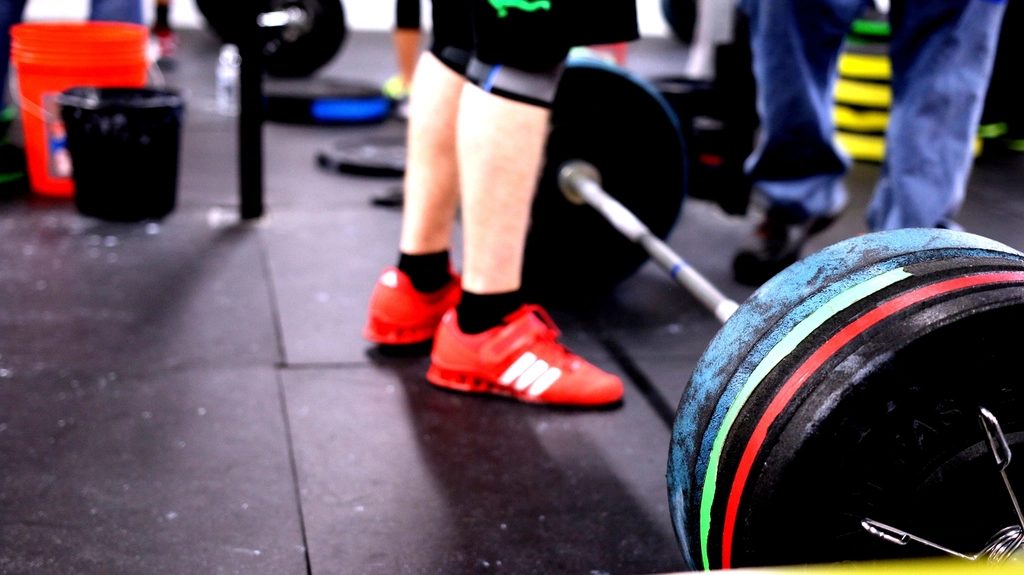
These are ranked on how much strength they build in the muscles that hold the spine steady, weighed against how many people can perform them during a bad week. If your back is currently painful, start at number five and work upwards.
| Exercise | Best for | What makes it stand out | Dose |
|---|---|---|---|
| 1. Romanian deadlift | Strength through the whole hinge | Trains the back and hips in the pattern that lifting uses | 3 × 8–12 |
| 2. 45-degree back extension | The spinal extensors directly | The most targeted back exercise in a gym | 3 × 10–15 |
| 3. Loaded carry | Endurance and trunk stiffness | Very high demand, almost no technique needed | 4 × 20–40 metres |
| 4. Chest-supported or cable row | Mid-back with the spine unloaded | Trains posture-holding muscles without loading the spine | 3 × 10–12 |
| 5. Bird dog and dead bug | Control when the back is sore | The pair most people can start today | 3 × 6–10 each side |
This is a documentary review of published clinical guidance and biomechanics rather than a programme prescribed for you. Around fifteen gym exercises commonly recommended for the lower back were considered, including the conventional and Romanian deadlift, good morning, 45-degree and horizontal back extension, reverse hyperextension, farmer and suitcase carries, chest-supported row, seated cable row, lat pulldown, bird dog, dead bug, side plank, Pallof press and the standard machine back extension.
Three criteria decided the order: how directly the exercise loads the muscles that hold the spine steady, how far it can be progressed over months, and how many people can perform it while symptoms are present.
The sources read were NICE guideline NG59 on low back pain and sciatica, the 2016 Cochrane review of motor control exercise covering 29 trials and 2,431 participants, and the NHS physical activity guidelines for adults. Evidence checked in August 2026.
What could not be checked: no trial has ranked these five against each other, and back pain has many causes that respond differently. Nothing here replaces an assessment where symptoms include leg pain, numbness, weakness or any change in bladder or bowel function, all of which need seeing rather than training around.
Train the back as the strong muscle group it is. The spinal extensors are large, high-endurance muscles that respond to load. The advice to protect the back by avoiding loading it produces a back with less capacity than the one you started with.
Match the entry point to how the back is today. A back mid-flare-up can usually do carries, supported rows and the bird dog and dead bug pair. That is a full session, and it keeps the habit alive while symptoms settle. In the first fortnight of a new episode, our exercises for the first two weeks of back pain are the gentler place to begin.
Progress by load before range. Adding weight to a controlled range is safer and more productive than reaching further under a light weight. This applies particularly to the back extension, where the temptation is to swing higher rather than hold a heavier plate.
Watch what happens the next day. Muscle soreness across the whole lower back that settles in two days is training. Pain that sharpens, that travels into the leg, or that is worse on the second morning than the first means the load needs cutting.
What it is
A hip hinge holding a barbell or dumbbells, lowering the weight down the thighs with the knees softly bent, then driving the hips forward to stand.
Who it suits
Anyone without current severe symptoms who wants to build genuine capacity in the back and hips together.
How to do it
Stand with the weight at the thighs, knees softly bent and held there, and push the hips backwards while the bar travels down the legs and the back keeps its natural curve. Stop where the stretch arrives, usually mid-shin, then drive the hips forward. Three sets of 8 to 12, starting much lighter than feels necessary.
What the evidence supports
The hinge is the pattern used every time anything is lifted from the floor, and the Romanian deadlift trains it under load through the longest range of the exercises here. The spinal extensors work isometrically throughout to hold position while the hips move, which is precisely the demand a back faces during lifting. It also loads the hamstrings and glutes, which share the work when the hinge is performed well.
Limits and cautions
Rounding the lower back to reach further down is the fault that matters, and it appears before most people feel it. Filming one set from the side settles it. Anyone in a current flare-up should leave this until symptoms have started to improve and build back from a very light load.
Time and effort
Ten minutes with warm-up sets.
Why it made the list
It ranks first because it builds the most usable strength, in the pattern the back is most often asked to perform, and because it can be progressed for years. The muscles doing the work are covered in our guide to the muscles involved in a deadlift.
What it is
A padded frame supporting the hips while the upper body lowers and lifts, training the spinal extensors and glutes directly.
Who it suits
Almost everyone, including many people with a settled history of back pain, because the load is bodyweight and easily adjusted.
How to do it
Set the pad just below the hip bones, cross the arms over the chest, and lower under control until a stretch is felt behind the thighs and lower back. Lift until the body forms a straight line and stop there. Three sets of 10 to 15. Progress by holding a plate to the chest rather than by arching further at the top.
What the evidence supports
This is the most direct way in a gym to load the spinal extensors through a range, and back extensor strength and endurance are consistently lower in people with chronic low back pain than in those without. Building that capacity is a standard component of exercise programmes for the back, which NICE recommends as the core treatment.
Limits and cautions
Swinging into a strongly arched position at the top is the common fault and is easily avoided by stopping when the body is straight. Anyone who feels a pinch in the lower back at the top is going too far. Dizziness from the head-down position is common on the first few sessions and settles.
Time and effort
Six minutes.
Why it made the list
Nothing else here trains the spinal extensors through a range with this little skill requirement, and it scales smoothly from bodyweight to a heavy plate.
What it is
Walking a set distance holding heavy weights, either one in each hand or a single weight on one side.
Who it suits
Everyone, including most people with current symptoms, because the distance and weight can be scaled to almost nothing.
How to do it
Pick the weights up with a good hinge, stand tall, and walk 20 to 40 metres keeping the ribs down and the trunk still. Four rounds. For the suitcase version, hold a single weight on one side and resist leaning either way, then swap.
What the evidence supports
Carries load the whole trunk isometrically while the body moves, which is exactly what the back does during daily activity and during work. The muscular demand is high, the spinal position stays neutral throughout, and the skill requirement is close to nil, which is why carries appear in both strength programmes and rehabilitation.
Limits and cautions
Grip usually fails before the trunk does, and straps solve that when the aim is trunk training. Leaning away from the weight during a suitcase carry means it is too heavy for now.
Time and effort
Six minutes, and it needs floor space rather than equipment.
Why it made the list
It gives a very high training effect for almost no technical risk, and it stays available during weeks when the heavier exercises here do not.
What it is
A rowing movement performed with the chest supported on a pad or seated at a cable machine, so the lower back is not holding the position.
Who it suits
Anyone with a desk job, anyone in a current flare-up who still wants to train, and anyone whose back objects to bent-over rowing.
How to do it
Set the chest against the pad or sit tall at the cable, and row towards the lower ribs, letting the shoulder blades travel at the end. Return under control until the arms are straight. Three sets of 10 to 12.
What the evidence supports
The muscles between the shoulder blades and the mid-back hold the upper body upright, and they fatigue in anyone who spends the day seated. Supporting the chest removes the isometric demand on the lower back, which is what allows this exercise to stay in a programme while the lower back is sensitive. Our guide to lat exercises covers the rest of the pulling options.
Limits and cautions
Using the whole body to heave the weight defeats the purpose of the supported position. Setting the pad too high restricts breathing and shortens the range.
Time and effort
Six minutes.
Why it made the list
It trains the upper half of the back with the lower half unloaded, which makes it the most reliably available exercise here on a bad week. The pattern it addresses overlaps with our guide to pain between the shoulder blades.
What it is
Two floor exercises that train the trunk to hold a neutral spine while the arms and legs move.
Who it suits
Anyone with current low back pain, anyone at the start of a rehabilitation programme, and anyone who finds the other four exercises here too much this week. Our guide to the best ab exercises ranks these two alongside the planks and says which to keep during a flare.
How to do it
For the bird dog, on hands and knees, extend one arm forward and the opposite leg back to hip height while the hips stay level, hold two or three seconds, and return. For the dead bug, lie on your back with hips and knees bent to 90 degrees, press the lower back into the floor, and lower one arm and the opposite leg slowly without letting the back arch. Three sets of 6 to 10 each side.
What the evidence supports
These are the standard motor control exercises, and motor control exercise has the best-studied evidence base of any trunk approach for back pain. The 2016 Cochrane review by Saragiotto and colleagues, covering 29 trials and 2,431 participants, found it produced medium-sized improvements in pain and disability compared with minimal intervention, and results similar to other forms of exercise.
Limits and cautions
Speed is the enemy. Done fast, the back arches and the dead bug becomes a hip flexor exercise. The range in which you can hold the back still is the range you train in, and it may be very small at first.
Time and effort
Eight minutes for the pair.
Why it made the list
It ranks last on strength built and first on availability. Someone whose back is sore today can do these today, and starting is worth more than the theoretical superiority of an exercise that gets skipped.
| Exercise | Main target | Spine position | Usable during a flare-up | Equipment | Load ceiling |
|---|---|---|---|---|---|
| Romanian deadlift | Extensors, glutes, hamstrings | Neutral, hinged | Once improving | Barbell or dumbbells | Very high |
| 45-degree back extension | Spinal extensors | Neutral to slightly extended | Often, bodyweight only | Back extension frame | High |
| Loaded carry | Whole trunk, grip | Neutral, upright | Yes, lighter and shorter | Dumbbells or kettlebells | Very high |
| Chest-supported row | Mid-back | Supported, unloaded | Yes | Bench and weights, or cable | High |
| Bird dog and dead bug | Trunk control | Neutral, supported | Yes, this is the starting point | None | Low |
The fourth column is the one that decides most programmes. Three of these five stay available during a flare-up, which is why an episode of back pain rarely justifies stopping training altogether.
If your back is painful right now, start with the bird dog and dead bug pair, add short carries and supported rows, and leave the hinge until symptoms are improving.
If you have leg pain, numbness or weakness, get it assessed before building a programme around it. Our guide to nerve root problems and the rehab that follows covers what that pathway looks like.
If you sit all day and your back aches by evening, prioritise carries and the back extension. Endurance in the extensors is what fails during long sitting.
If you already lift and want the back to keep up, run the Romanian deadlift and the back extension twice a week and add a heavy carry at the end of each session.
If you have 20 minutes, twice a week, do Romanian deadlifts, back extensions and one heavy carry. That covers strength, endurance and the hinge pattern.
What are the best gym exercises for lower back?
The Romanian deadlift, the 45-degree back extension, loaded carries, rowing variations and the bird dog and dead bug pair. The first four build strength and capacity in the muscles that hold the spine steady, and the fifth is the entry point that works when the back is currently sore.
Is it safe to exercise with lower back pain?
For most people, yes, and it is the recommended treatment. NICE guideline NG59 recommends a group exercise programme as the core treatment for low back pain and sciatica, with manual and psychological therapies used alongside exercise rather than instead of it. What changes with a sore back is the load and the choice of exercise rather than whether to train at all.
Should I stop deadlifting if my back hurts?
Usually you reduce it rather than stop. Dropping the weight by a third to a half, shortening the range by pulling from blocks, or switching to a Romanian deadlift for a few weeks keeps the pattern trained while symptoms settle. Complete rest tends to lengthen the process because the tissues lose capacity and the same load is waiting when you return.
Are back extensions bad for your spine?
No, when performed through a controlled range with a sensible load. The 45-degree back extension trains the spinal extensors directly, which is exactly what a back needs to tolerate lifting and sitting. What causes trouble is swinging into an extreme arched position at the top, which is easily avoided by stopping when the body is in a straight line.
How often should I train my lower back?
Two or three sessions a week. The spinal extensors have high endurance and recover quickly, so they tolerate frequent training well. Where a session leaves the back sore for more than about two days, the load was too high rather than the frequency.
Do I need a strong core to protect my back?
Trunk strength helps, and it is one component among several rather than the whole answer. The 2016 Cochrane review of motor control exercise found it clearly better than minimal intervention for chronic low back pain and similar to other forms of exercise, which is the honest summary: trunk training works about as well as other exercise, and the exercise you keep doing is the one to pick.
What should I avoid in the gym with a bad back?
During a flare-up, avoid heavy loaded spinal flexion, loaded twisting, and any single exercise that reproduces your specific pain sharply. Almost everything else stays available, including most machine work, carries and single-leg exercises, which is why an exercise programme rarely has to stop entirely.
PhysioHub – Empowerment through Evidence-Based Education.
Loading a back safely depends on what is driving the pain in the first place, which our guide to back pain works through.