
Massage guns help with short-term flexibility and the feeling of muscle soreness after training, and they do little for strength or power. A 2023 systematic review of 11 studies found gains in range of motion and recovery measures, with no benefit, and sometimes a small loss, when used right before strength or explosive efforts.
How hands-on soft tissue work compares in clinic is covered in PhysioHub's guide to clinical massage.
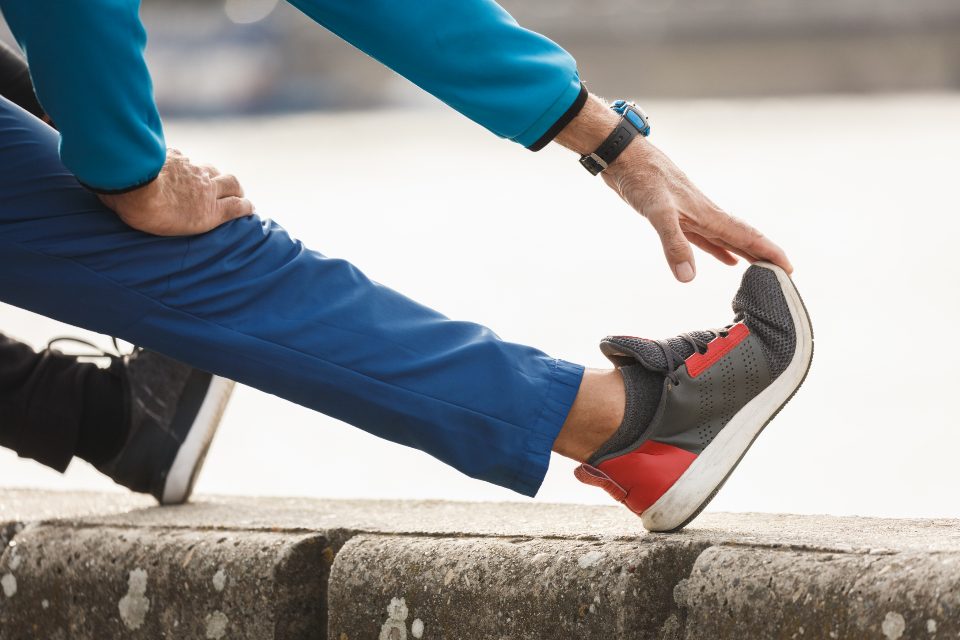
They work for two things: a short-lived increase in flexibility and a reduction in how sore a muscle feels. The 2023 systematic review by Ferreira and colleagues in the Journal of Functional Morphology and Kinesiology concluded that percussive devices improve short-term range of motion, flexibility and recovery-related outcomes, and advised against using them before strength, balance, agility or explosive activity.
The likely mechanism sits in the nervous system: the vibration reduces how sensitive the muscle feels to stretch and pressure for a period. The gains in range fade within the hour, which is why they suit warming down and easing soreness better than preparing for a heavy lift.
About one minute per muscle group is enough, moving the head slowly along the muscle at a pressure that stays comfortable. Longer bouts on one spot add little, and pressing hard enough to make you tense up defeats the point.
Use it after training, or on rest days for soreness. Before an easy run or a mobility session a minute on the calves is reasonable, while right before maximal lifting, sprinting or jumping it may blunt performance slightly, as the 2023 review found.
For a planned warm-up, active movement still does more: a few minutes of the activity itself at low intensity, then dynamic drills, then building pace or load.
Never over the front or sides of the neck, directly over the spine, over bone, joints, the head or face, broken skin, varicose veins, or a recent bruise or strain. Avoid it over an area that is numb, because you cannot judge the pressure.
Calf pain with swelling, warmth or redness, especially after a long flight, an operation or a period of immobility, needs checking for a deep vein thrombosis before any massage; the NHS DVT guidance lists the signs. People on blood-thinning medication bruise more easily and should ask their GP or pharmacist first. In pregnancy, keep it away from the abdomen and lower back.
No. Handheld devices sold as home "shockwave" machines are percussive massage units, while the clinic treatment delivers acoustic pulses at set energy levels and counts used in the trials. The difference is explained in shockwave therapy for plantar fasciitis.
Buy for comfort and noise over raw power. For most users a mid-range device with three or four speeds, a broad foam or ball head, a battery that lasts a week of use and a quiet motor is the better present than the strongest model.
For someone with a current injury, a gun eases how it feels while the cause stays in place; the rehab that changes the cause is in the guide below.
Do massage guns help muscle soreness?
Yes. Studies find they reduce how sore muscles feel after exercise and improve short-term flexibility. They have little effect on strength.
How long should you use a massage gun for?
About a minute per muscle group, moving slowly along the muscle at a comfortable pressure. Two to five minutes covers a whole session.
Can a massage gun make an injury worse?
It can, over a recent strain or bruise, over bone or joints, or on a calf that might hold a blood clot. Used on sore, uninjured muscle at a comfortable pressure it is low risk.
PhysioHub – Empowerment through Evidence-Based Education.
Tight, sore calves that keep returning despite massage are often a loading problem, and our guide to calf, shin and lower leg pain covers what changes them.