
A dull ache or burning between the shoulder blades that builds through a working day is one of the most relatable complaints in a desk-based world. It is usually muscular and postural in origin, and while it is genuinely uncomfortable, the good news is that it responds well to the right movement and strength work.
The wider thoracic picture this sits inside is covered in PhysioHub's guide to middle to upper back pain.
The muscles between and around the shoulder blades work quietly for hours to hold you upright at a screen. Held in one position for long stretches, especially with the head forward and shoulders rounded, they fatigue and start to ache or burn. This is a load and endurance problem in the postural muscles rather than a sign of damage. The NHS overview of back pain covers the common upper-back causes.
Most pain between the shoulder blades is mechanical and eases with movement and strengthening. It deserves an assessment if it is unrelated to posture or activity, comes with unexplained weight loss or feeling unwell, or is a new, severe pain in someone with relevant medical history. These are uncommon, and a quick screen provides reassurance.
The question that comes with this one is why the spot between the shoulder blades will not release, given everything that has been thrown at it. Alex, a HCPC-registered physiotherapist, hears it most weeks from desk workers, drivers and hairdressers.
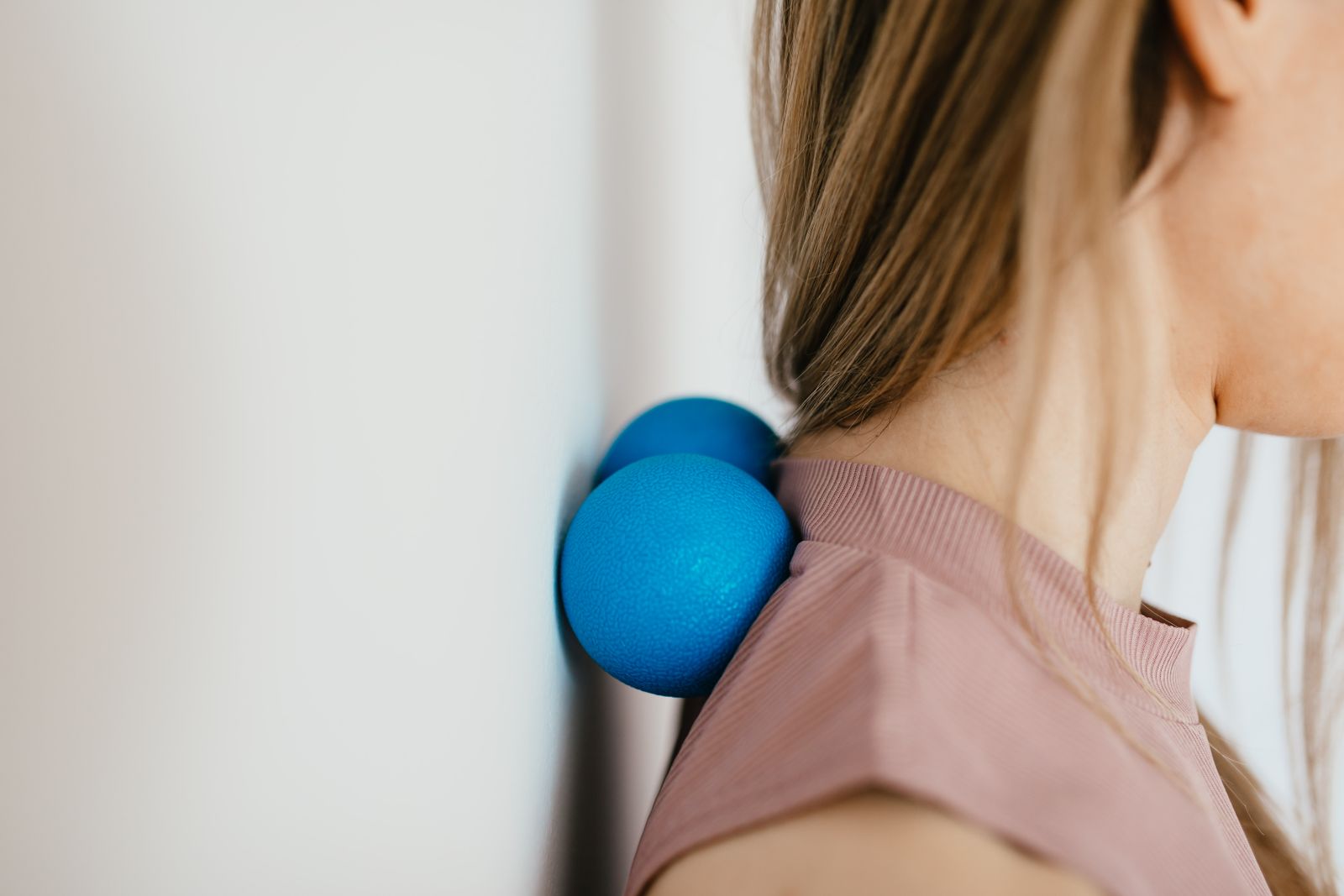
That spot is usually where the load lands rather than where it comes from. Hours with the arms out in front leaves the thoracic spine stiff and the muscles around the shoulder blade working at length all day, and rubbing the sore point with a ball or a massage gun changes neither of those, which is why relief lasts an afternoon. Restoring upper back movement addresses the first, and building strength around the shoulder blade addresses the second. The afternoon build-up is usually the first thing people notice going, often while sleep is still catching up.
To find out what is actually loading it in your case, book an assessment.
Why does it hurt more by the end of the day?
Because it is a fatigue problem. The postural muscles tire the longer they hold a position, so the ache builds as the day goes on.
Is there a perfect posture that prevents it?
The best posture is a changing one. Frequent movement helps far more than trying to hold one ideal position all day.
PhysioHub – Empowerment through Evidence-Based Education.
Every body is different. Book a thorough assessment and get advice that is specific to you and your goals.
Book an Appointment