
The pain has settled, you're moving normally in day-to-day life, and every part of you wants to get back on the pitch, the court or the road. That gap between "I feel fine" and "I'm actually ready" is where most repeat injuries happen, and it's the single most common thing people search for once the acute pain of an injury has passed.
Keeping the injury from recurring once you are back is the subject of PhysioHub's guide to injury prevention exercises.
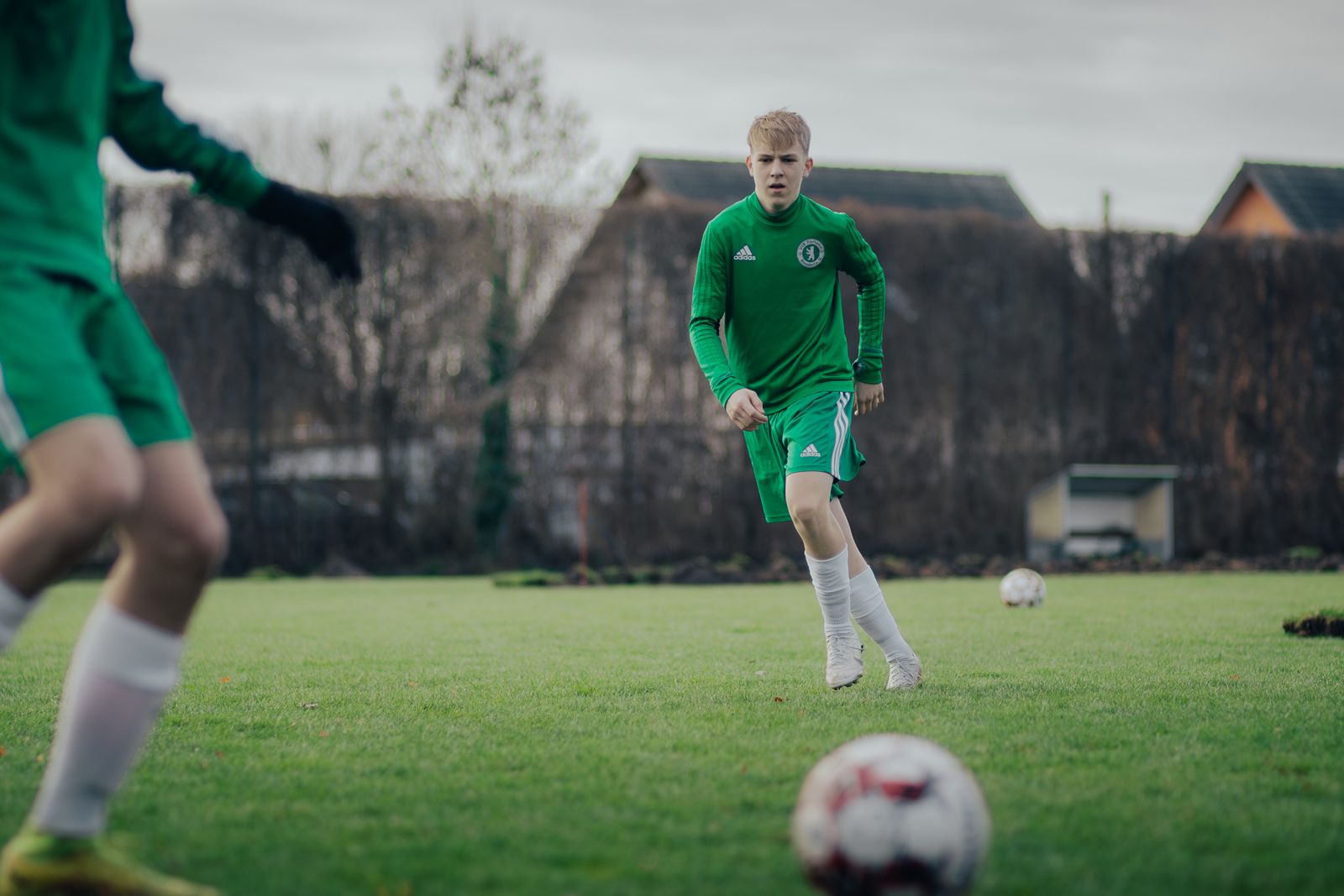
The numbers here are stark. In athletes returning after ACL reconstruction, those who passed structured return-to-sport testing had a reinjury rate of around 5.6%, compared to 38.2% in those who didn't meet the criteria before going back. That's roughly a sevenfold difference in risk, driven almost entirely by whether the body was actually ready, not by how the sport itself was played.
The same pattern shows up in less severe injuries too: a sprained ankle, a strained hamstring, a niggling knee. "Feeling okay" during everyday walking or light jogging is a low bar; sport asks for sudden changes of direction, high-speed deceleration and repeated impact, all under fatigue. Clearing that lower bar doesn't mean the tissue is ready for the higher one.
Being pain-free is necessary but nowhere near sufficient. A proper return-to-sport assessment looks at strength symmetry between your injured and uninjured side (a persistent strength deficit is one of the strongest predictors of re-injury), functional hop and landing tests, movement quality under fatigue, and increasingly, how confident and comfortable you actually feel using the injured area at speed; psychological readiness is now recognised as being just as important as the physical numbers. Where rebuilding lost muscle is part of the plan, our review of supplements for muscle growth covers what is worth taking.
None of this is about ticking boxes for the sake of it. Each test exists because it's been shown to catch a specific gap that a calendar date alone would miss.
A sensible return to sport moves through stages, and skipping ahead is where most setbacks happen:
Judging readiness by pain alone is the biggest one; plenty of tissue can still be underprepared even once it's stopped hurting. Going straight back to full training because "the season's started" is another, along with skipping the sport-specific stage entirely and finding out the gap the hard way, mid-match. And for anything beyond a minor knock, delaying clearance by even a few extra weeks in the early stages has been shown to meaningfully cut re-injury risk later; patience in month one buys safety in month three.
The stretch between preseason and the first competitive fixture is when the stop-start injuries turn up around here, landing in late summer for the club players and whenever a race date appears for the runners. Alex knows the pull to come back early from the athlete's side, having competed in track and field and then internationally in canoe sprint before moving into powerlifting.
The reason a second injury so often matches the first is that pain settling and capacity returning are separate events, often weeks apart. A hamstring stops hurting long before it can absorb load at sprint speed, so a return decided by how it feels is a return taken at a strength deficit. Criteria fix that: side-to-side strength measures, control under fatigue, and sport-specific tasks at full speed, each of which either passes or does not, on timelines that vary a lot by injury. Working to criteria rather than dates also tends to get people back sooner, because nobody sits out a week they no longer need.
Our sports injuries and performance service is built around working out which stage you are actually at.
I'm pain-free, so can I just go back?
Not necessarily. Pain-free at rest or in daily activity doesn't mean your strength, control and confidence are ready for the demands of sport specifically.
How long does a safe return usually take?
It varies hugely by injury and sport, anywhere from a couple of weeks for a mild strain to several months for a significant ligament injury. The stages matter more than the calendar.
Do I need special testing, or is an assessment enough?
A thorough physiotherapy assessment covers the key markers (strength symmetry, functional movement, and how the area copes under load) without needing a sports-science lab.
PhysioHub – Empowerment through Evidence-Based Education.
Every body is different. Book a thorough assessment and get advice that is specific to you and your goals.
Book an Appointment