
Hands tolerate very little loss of function before daily life is affected. We work out what is driving the pain and rebuild grip, movement and confidence.
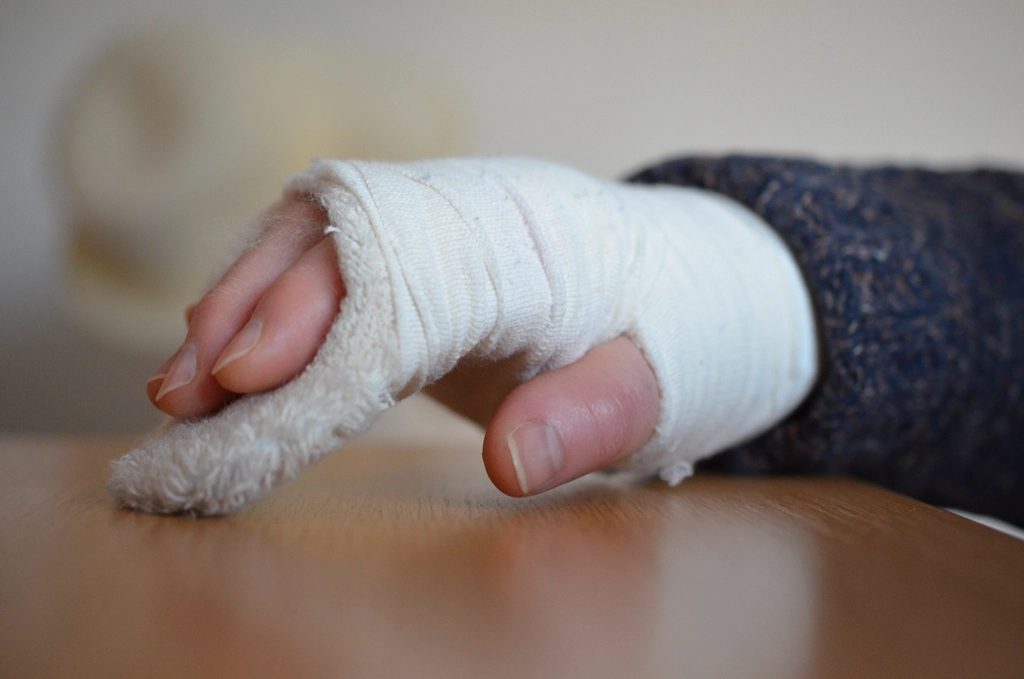
Wrist and hand pain divides broadly into nerve problems, tendon problems and joint problems. Carpal tunnel syndrome compresses the median nerve and produces numbness and night symptoms. De Quervain’s affects the thumb-side tendons and is common after a change in gripping or lifting. Thumb base arthritis produces pain with pinch and grip, most often over the age of 50.
Stiffness after a fracture or a period in a cast is a separate picture again, where the priority is restoring range before strength.
Common symptoms:
For carpal tunnel syndrome, night splinting and nerve gliding exercises help mild to moderate cases, and a Cochrane review of splinting supports it for short-term symptom relief. Where symptoms are severe or constant, we say so early and point you towards the right opinion rather than continuing indefinitely.
Tendon and joint problems respond to load management and graded strengthening, alongside practical changes to how you grip and carry. After a fracture, restoring range comes first, then strength, then the tasks you need the hand for. Our hand and wrist physiotherapy combines that assessment with a graded return to grip and load.
Hands recover best when range is restored early and strength follows. Here is the sequence.
We test the nerves, tendons and joints separately, check the neck where symptoms are diffuse, and establish which tasks reproduce the pain.
Splinting at night, activity changes and specific nerve or tendon gliding work usually take the edge off the symptoms first.
Graded mobility and grip work rebuild what the wrist and hand can do, progressed against how the symptoms behave the next day.
We rebuild towards typing, lifting, tools or sport, and set out how to keep the load sustainable.
Not sure whether your hand symptoms are carpal tunnel, a tendon or coming from your neck? Book a free discovery call and we will talk it through.
Book a Free Discovery CallMild and moderate cases often improve with night splinting, nerve gliding and load changes. Surgery becomes the right conversation when numbness is constant, muscle wasting appears, or conservative care has genuinely failed.
The wrist tends to settle into a bent position during sleep, which raises pressure inside the carpal tunnel. A neutral wrist splint worn at night addresses that directly and is often the single most effective early step.
Irritation of the tendons on the thumb side of the wrist, common after a change in lifting or gripping, including picking up a young child. It responds to load management and graded loading.
Most people regain functional range over four to twelve weeks with consistent work. Early movement within the fracture clinic’s guidance makes a substantial difference.
Yes. Nerve irritation in the neck can produce numbness and weakness in the hand that mimics carpal tunnel, which is why we screen the neck when symptoms do not fit a single nerve.
Sometimes, for suspected fractures or specific joint problems. Most tendon and nerve presentations are diagnosed clinically, and scan findings often do not match symptoms.
Book a thorough assessment in Uckfield and we will work out what is behind them and what will change them.
Book an Assessment