
A bunion that hurts every day, rubs in every shoe and has started changing how you walk is a reasonable reason to consider surgery. It is also worth knowing what can be done before that point, how long recovery genuinely takes, and what rehabilitation adds once the bone has healed. Here is the full picture.
Foot pain that has not yet reached the point of surgery is worked through in PhysioHub's guide to the common causes of foot pain.
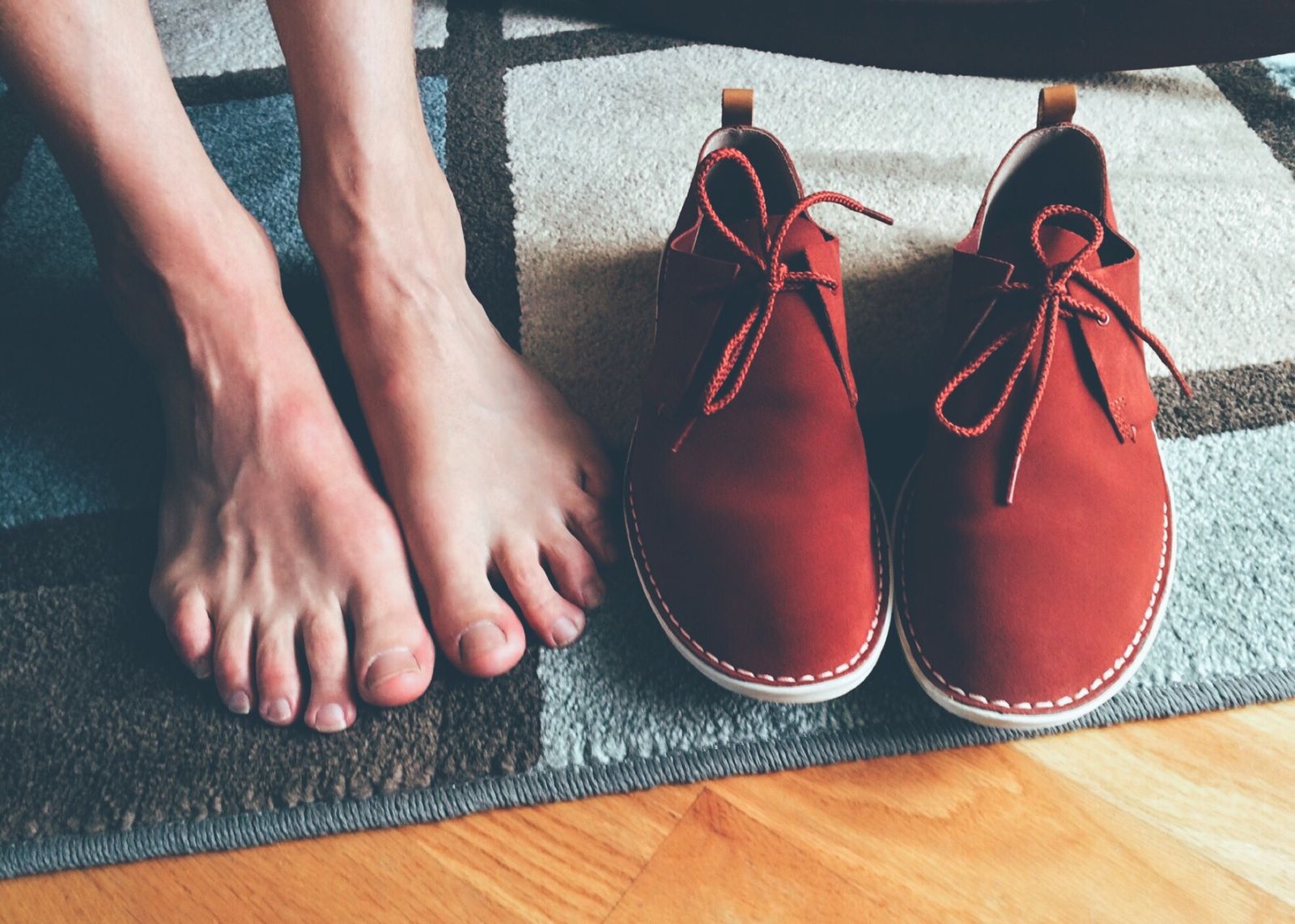
A bunion, or hallux valgus, is a change in the alignment of the first toe joint: the big toe drifts towards the second toe and the joint at its base becomes prominent on the inside of the foot. It develops gradually, tends to run in families, and is influenced by foot structure and footwear rather than caused by any single thing.
The bump itself is not the problem. Pain comes from pressure over the joint, from the joint surfaces themselves, and from the way the big toe stops taking its share of load during push-off, which shifts stress to the lesser toes and can bring on symptoms elsewhere in the foot. That is why bunion pain often travels with metatarsalgia, second toe problems or arch pain.
The NHS advises that a GP or podiatrist can recommend measures to ease symptoms, including insoles, toe spacers and toe supports, and that referral for surgery is considered when bunions are very painful or are having a big effect on your life. Practical steps worth trying properly first:
These measures manage symptoms rather than reverse the deformity. For plenty of people that is enough for years. Our article on foot pain covers the other common causes worth ruling in or out first.
Bunion surgery realigns the bones and soft tissues around the first toe joint. There are several techniques, including minimally invasive options, and the choice depends on the severity of the deformity and the surgeon's preference. It is usually a day case under regional or general anaesthetic.
The NHS sets out realistic timeframes: expect to rest with your feet raised for at least 2 weeks, avoid driving for 6 to 8 weeks, expect between 2 and 12 weeks off work depending on the job, and avoid sport for 3 to 6 months. The NHS is also clear about outcomes: toes may end up weaker or stiffer than before, feet can still be painful, and bunions can come back.
Swelling is the part that surprises people most. It commonly persists for several months and affects shoe fit long after the bone has healed.
Once your surgeon clears loading and any protective footwear comes off, there is real work to do. The foot has been offloaded for weeks, the calf has lost capacity, and the walking pattern has adapted around the operated side.
Anyone returning to running should build calf capacity first. Our post on returning to sport after injury covers how to stage that, and plantar fasciitis is a common secondary issue when the foot is loaded quickly after months of protection.
The question underneath most of these appointments is whether to have the operation at all, and the honest answer turns on what the bunion has taken away from you. Pain that only shows up in narrow shoes is a shoe problem with cheaper solutions. Pain that has ended your Sundays on Ashdown Forest or a summer walk along the Cuckoo Trail is a different conversation and worth having with a surgeon.
What tends to surprise people is the recovery. Bunion surgery corrects the bone, and how the foot pushes off afterwards is a separate job, because a foot that has spent a year or two avoiding load arrives at surgery with a weak calf and a big toe that has stopped contributing. That is why walking can still feel wrong at three months, out of the post-operative shoe, with everything healing exactly as it should. Calf strength, big toe function and distance built at a rate the foot adapts to are what finish it.
Our pre and post-surgical rehabilitation service covers both sides of bunion surgery, and no GP referral is needed to start.
Can exercises get rid of a bunion?
No. Exercise improves how the foot tolerates load and can reduce pain, and it does not realign the joint. Correction of the deformity requires surgery.
Will I be able to run again after bunion surgery?
Many people do. The NHS advises avoiding sport for 3 to 6 months, and a graded return that rebuilds calf strength and big toe mobility first gives you the best chance of comfortable running.
Should I have surgery on both feet at once?
That is a surgeon's decision and depends on the procedure and your circumstances. Bilateral surgery makes the early weeks considerably harder, since crutches and weight-bearing restrictions apply on both sides.
PhysioHub – Empowerment through Evidence-Based Education.
Every body is different. Book a thorough assessment and get advice that is specific to you and your goals.
Book an Appointment