
Pain in the thigh is easy to mislabel because the area is large and several structures refer pain into it. Front, back, inner or outer thigh each point in a different direction, and getting the location and behaviour right is what turns a vague "thigh pain" into a clear, treatable diagnosis. Muscle is the usual answer, and the thigh also carries a femur, two major nerves and the deep veins of the leg, each of which produces its own pattern.
Where the pain sits at the back of the thigh, the tendon and referred causes overlap heavily with PhysioHub's guide to hamstring pain.
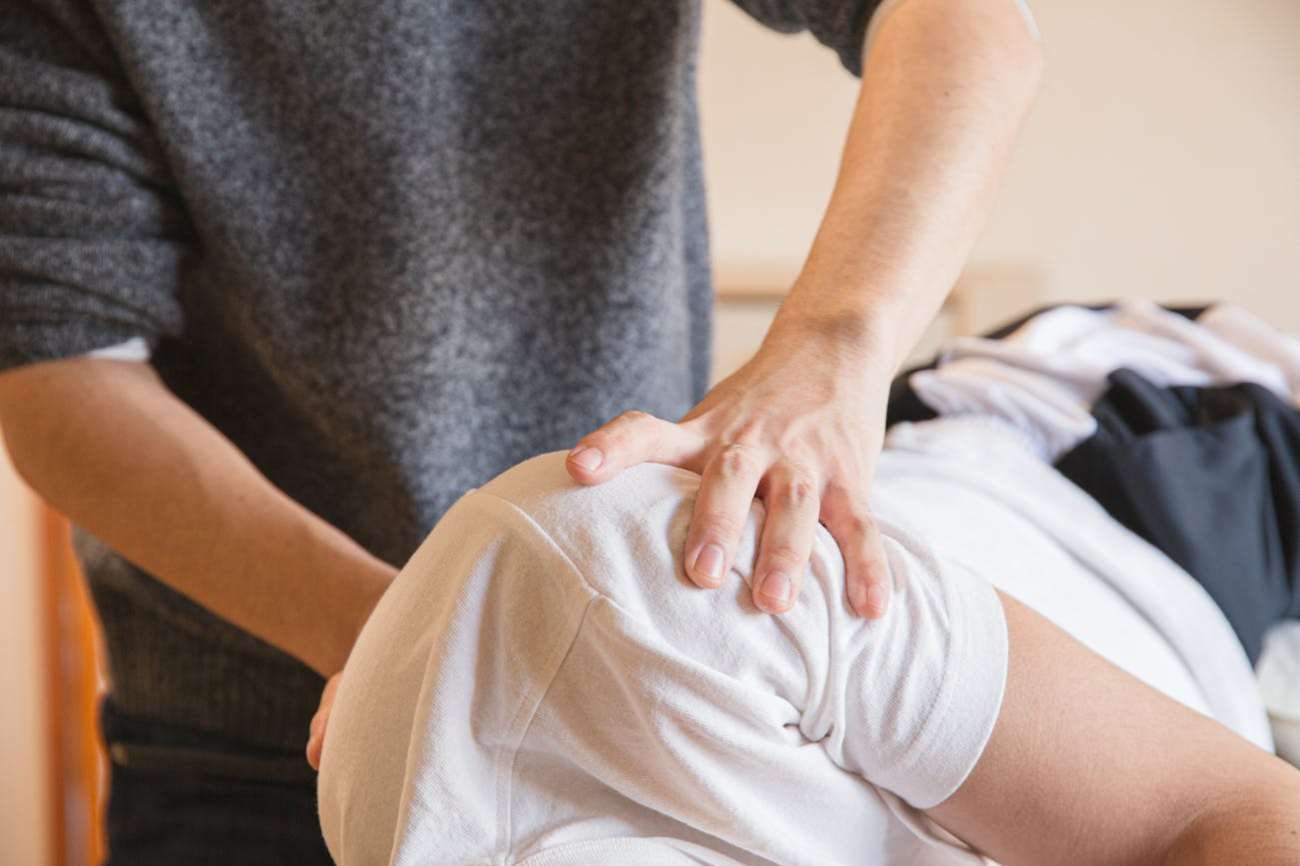
A deep ache with no clear injury can also be referred from the hip or lower back. The NHS page on sprains and strains is useful for the muscle causes.
A true muscle strain usually has a moment of onset, hurts when you contract or stretch that specific muscle, and is tender to press. Referred pain behaves differently: it can move, may come with pins and needles, and often does not reproduce cleanly when you test the muscle itself. Telling these apart early avoids weeks of treating the wrong thing.
Nerve irritation produces thigh pain with the muscles themselves in good order. Sciatica is the familiar one: the NHS describes symptoms that affect the bottom and the back of one leg, often reaching the foot and toes, felt as a sharp or burning pain with tingling, numbness or weakness, and often worse on moving, coughing or sneezing. Down the thigh it usually runs along the back or the outer side.
Cruralgia is its lesser-known counterpart at the front, sometimes called front sciatica. Here the femoral nerve or its roots are irritated, and the pain, tingling or numbness travels down the front of the thigh, occasionally reaching the inner shin. Some people notice the knee feeling unreliable on stairs, because the same nerve supplies the quadriceps.
Nerve pain follows different rules from muscle pain, which is what makes it recognisable. It tends to sit as a background ache with odd patches of pins and needles, flares with a position rather than an effort (sitting, standing still, arching backwards), and stays quiet when the muscle itself is tested and stretched. A burning, numb patch on the outer thigh with no weakness at all is a third pattern again: compression of the lateral cutaneous nerve where it passes the hip, which is often traced back to a tight waistband, a tool belt, pregnancy or a change in weight.
Recognising nerve involvement early stops months of massage and stretching aimed at a muscle that was never the problem. Our guide to buttock muscle pain works through the same distinction higher up the chain, and the sciatica page covers the assessment in detail.
The femur is the strongest bone in the body, so it takes a lot to break it and the presentation is rarely subtle. A femoral shaft fracture follows significant trauma, hurts immediately and severely, and leaves the leg unable to take weight. That belongs in A&E rather than a physiotherapy clinic.
The quieter bony causes matter more here, because they get mistaken for muscle:
Tendon is the other structure people label as muscle. Tendon pain sits at the top or bottom end of the muscle rather than in its belly, comes on with repeated loading rather than a single moment, warms up during activity and stiffens afterwards. Quadriceps tendinopathy and the tendon end of hamstring pain both behave this way.
The deep veins of the leg run through the thigh, and they produce pain of their own. A deep vein thrombosis typically causes throbbing pain in one leg, usually the calf or thigh, with swelling, skin that looks red, blue or darkened around the sore area, and veins that stand out. Risk climbs after surgery, a long flight or drive, a period of immobility, in pregnancy, with some cancers and with a previous clot.
Contact NHS 111 the same day if that picture fits, and 999 or A&E if breathlessness or chest pain comes with it, since those point to a clot that has travelled to the lungs. Two milder vascular patterns also reach the thigh. Venous insufficiency gives heaviness and aching that builds through the day and eases with the legs elevated. Superficial phlebitis shows up as a tender, firm, reddened cord along a visible vein. Arterial narrowing produces something different again: a cramping ache in the thigh or buttock that appears at a predictable walking distance and disappears within a few minutes of standing still.
What links all of these is that a scan and a GP settle them, and rehabilitation follows afterwards rather than first. Sudden thigh pain with swelling, warmth or colour change and no injury behind it goes to a doctor today.
For a muscle strain, the path is a graded return to loading: settle the irritation, rebuild strength through range, then restore speed and power for your activity. For referred pain, the treatment targets the hip or spine that is actually generating it. Either way, progressive strengthening does the heavy lifting. For the back of the thigh that usually means hinging, and our guide to the muscles a deadlift works covers how to load it when a hamstring is complaining. Realistic recovery timelines are set out in how long does physiotherapy take to work?
Two drug-free options come up constantly for thigh pain, and both are worth using for what they actually offer: comfort that makes the loading work possible.
Heat relaxes tight muscle and feels good on a thigh that has been guarding for days. The strongest evidence for it comes from low back pain, where a Cochrane review found moderate evidence that heat wrap therapy gives a small short-term reduction in pain and disability, with a bigger effect when exercise is added on top. Fifteen to twenty minutes with a wheat bag or heat pack is enough. Keep heat away from a fresh, swollen injury in the first day or two, and off skin that is numb or has poor circulation. Cold takes the edge off in those first couple of days after an acute strain.
TENS passes a low electrical current through pads on the skin. The NHS explains that it is thought to work by prompting the release of endorphins and interrupting pain messages on their way to the brain, and is honest that it does not work for everyone. Trial evidence is thin and inconsistent, which is worth knowing before spending money on a unit, though a cheap machine is low risk and some people with nerve-related thigh pain get real relief from it. Our post on TENS machines for pain relief goes through the settings, pad placement and who should avoid one.
Use both as a window rather than a treatment. The pain relief they give is short-lived, and the useful thing to do with it is the strengthening.
Medication depends entirely on which structure is generating the pain, which is another reason the diagnosis comes first.
The pattern across all three is that medication buys comfort and manages risk, and the change in the tissue comes from loading it properly. Pain management physiotherapy covers how the two fit together when pain has been around a while.
Thigh pain gets assumed to be a muscle problem, and frequently it is something else. At PhysioHub in Uckfield a fair proportion of it turns out to be referred from the hip joint or the lower back, in people who have spent months resting and stretching a muscle that was never the issue.
The giveaway is behaviour rather than location. A genuine quad or hamstring strain hurts on resisted testing of that muscle and usually has a clear moment of onset behind it. Hip joint pain tends to show up as a deep front-of-thigh ache with restricted rotation, and lumbar referral can produce thigh pain with no local tenderness at all and no single incident to point at. Screening the muscle, the hip and the back before writing a plan is what stops someone loading a hamstring for six weeks while the hip that was driving it goes unaddressed. The patterns that point to the hip itself are in our guide to hip pain.
Our musculoskeletal pain and injuries service covers all three of those in the same assessment.
Is thigh pain ever serious?
Most is musculoskeletal and settles well. Seek prompt advice for a hot, swollen, tender thigh, calf swelling, or severe pain after significant trauma.
Should I foam-roll it?
Rolling can ease symptoms briefly, but it does not build capacity. Use it alongside strengthening rather than instead of it.
What does nerve pain in the thigh feel like?
Burning or shooting rather than a dull pull, often with pins and needles or a numb patch, provoked by a position such as sitting or standing rather than by using the muscle. It also tends to stay put when the muscle itself is stretched and tested.
Can thigh pain be a blood clot?
It can. Throbbing pain in one leg with swelling, warmth, or red, blue or darkened skin, particularly after surgery, illness or a long journey, needs NHS 111 the same day. Add breathlessness or chest pain and it becomes 999.
Heat or ice for thigh pain?
Ice for the first day or two after a sudden strain, when swelling is the issue. Heat after that, and for the tight, guarded muscle that comes with longer-standing pain. Both are for comfort while the strengthening does the work.
Why does my thigh cramp at night?
Night cramp is common, harmless in most cases, and usually eases within a minute of stretching the muscle out. Cramp that arrives with weakness, numbness or persistent swelling is a different conversation and is worth getting looked at.
Can I still exercise with thigh pain?
Usually yes, at a level that keeps pain low during the session and settled by the next morning. The exceptions are a suspected clot, a suspected bone stress injury, and pain that is sharpening week on week despite backing off.
PhysioHub – Empowerment through Evidence-Based Education.
Every body is different. Book a thorough assessment and get advice that is specific to you and your goals.
Book an Appointment